Tinnitus treatment can help reduce the impact of ringing, buzzing, hissing or other sounds in the ears, even when the sounds cannot be eliminated completely. The right approach depends on what is causing the tinnitus, whether hearing loss is present, and how much the symptoms affect sleep, concentration and everyday life.
For Australians experiencing persistent tinnitus, treatment may include a hearing assessment, appropriately fitted hearing aids, sound enrichment, psychological therapy and strategies to protect hearing. Identifying the underlying cause is the first step towards choosing an appropriate treatment plan.
What Is Tinnitus, and Why Does It Occur?
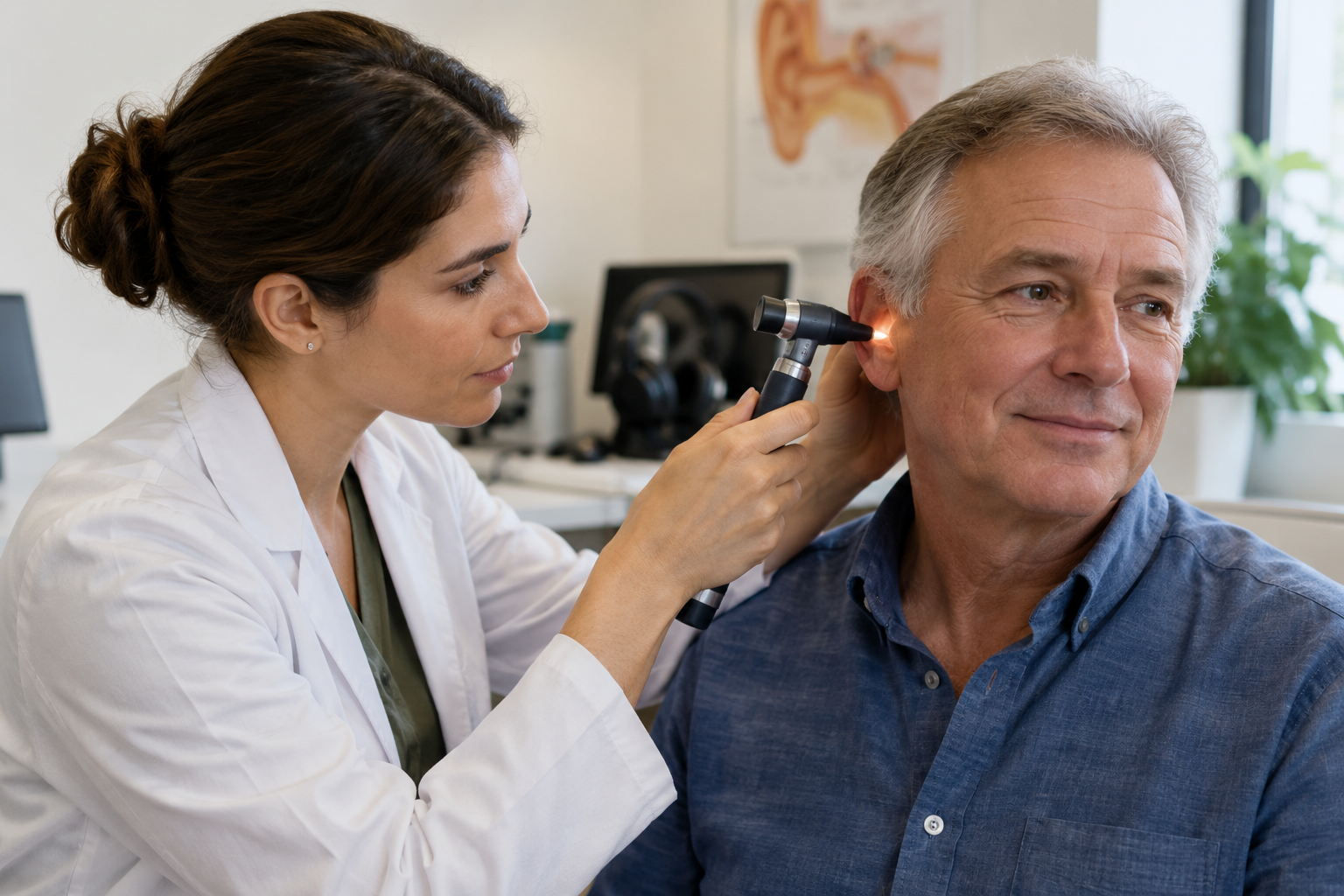
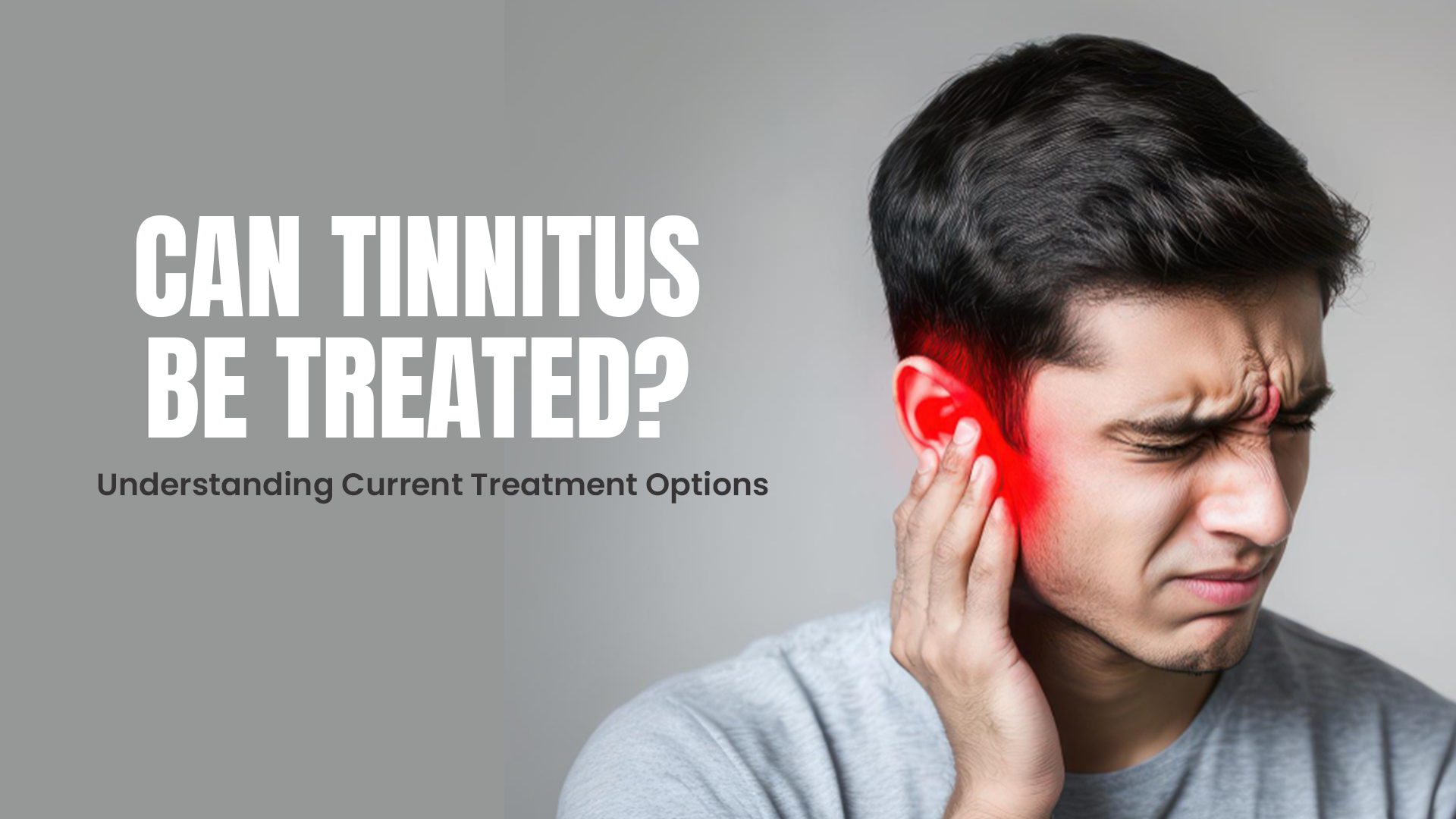
Tinnitus is the perception of sound without an external sound source. People commonly describe it as ringing in the ears, but it can also sound like buzzing, whistling, humming, hissing or whooshing. It may affect one ear, both ears or feel as though it comes from inside the head.
Tinnitus is a symptom rather than a disease in itself. Potential causes include:
- Hearing loss: Age-related changes and damage from exposure to loud noise are common factors associated with tinnitus.
- Earwax build-up: Excessive earwax can interfere with hearing and may contribute to tinnitus.
- Ear conditions: Infections, inflammation and certain inner-ear disorders can cause tinnitus.
- Medication effects: Some medicines may trigger or worsen tinnitus in certain circumstances.
- Other medical conditions: Jaw joint problems, head injuries and, less commonly, blood vessel or neurological conditions may be involved.
Sometimes, no single cause can be identified. Tinnitus can also occur without measurable hearing loss, which is why a proper assessment is more useful than assuming the problem originates from one particular part of the ear.
Can Tinnitus Be Cured Permanently?
There is currently no universally effective cure for chronic tinnitus. However, some cases improve or resolve when an identifiable cause is treated, while others can be managed successfully with appropriate support and treatment.
For example, tinnitus linked to excessive earwax may improve after the blockage is safely removed. If a medication is contributing to the symptoms, a doctor may review the treatment. When tinnitus is associated with hearing loss, hearing aids may make the sound less noticeable.
For people with persistent tinnitus, the goal is often to reduce how intrusive the sound feels, improve sleep and concentration, and restore quality of life.
Be cautious of products advertised as a guaranteed tinnitus cure. No supplement, device or treatment should be assumed to eliminate tinnitus permanently without reliable clinical evidence.
What Are the Main Tinnitus Treatment Options?

The best treatment for tinnitus depends on its cause, severity, duration and effect on daily activities. Several approaches can help, although no single treatment works equally well for everyone.
1. Hearing Aids for Tinnitus Treatment
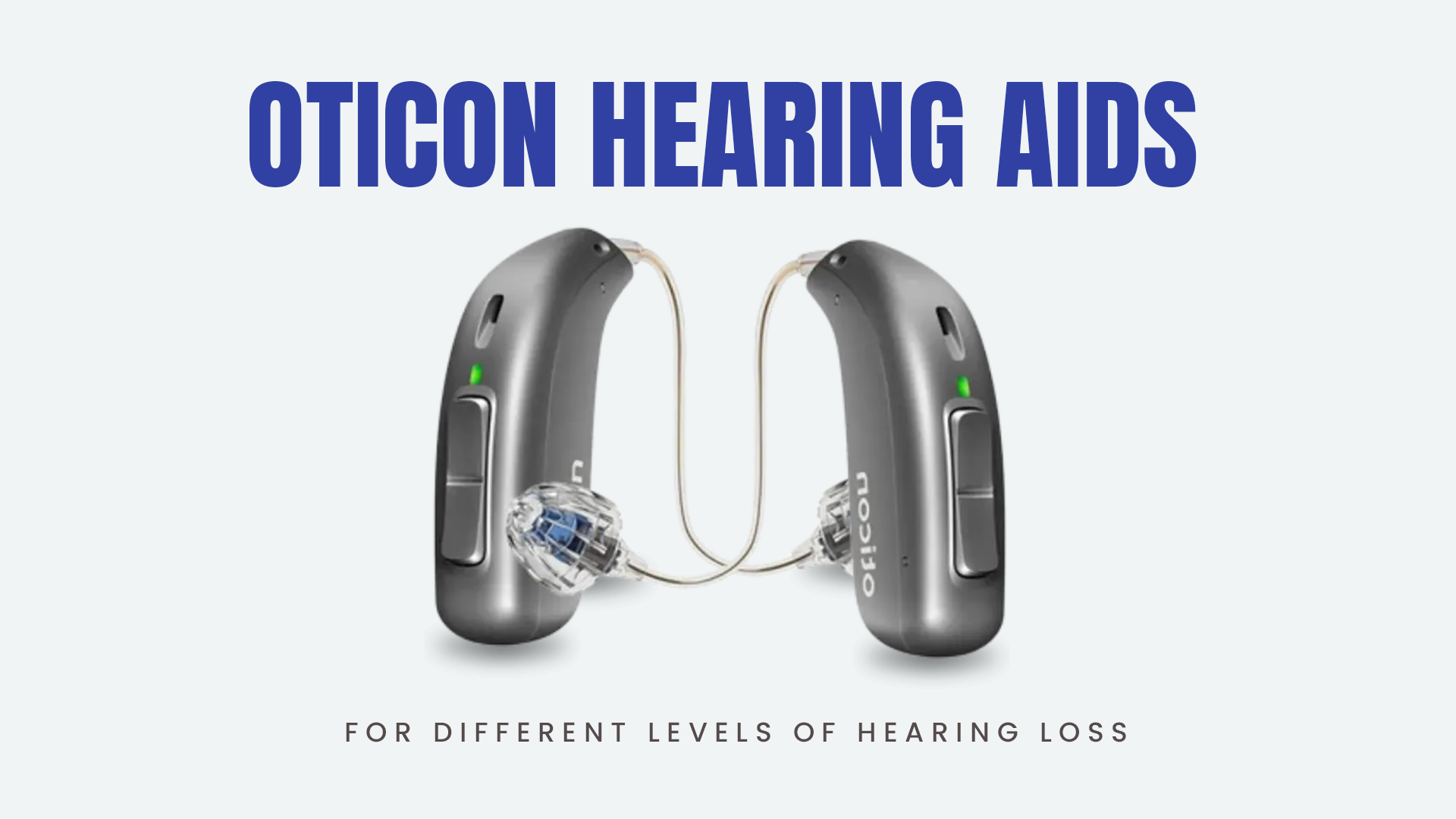
Hearing aids can be helpful when tinnitus occurs alongside hearing loss. By amplifying external sounds, they can make tinnitus less noticeable and reduce the listening effort associated with hearing difficulties. Some devices also include optional sound-generation features designed to support tinnitus management.
Hearing aids are not a guaranteed tinnitus cure, and their benefits vary between individuals. A hearing assessment helps determine whether amplification is appropriate.
If you experience tinnitus without noticeable hearing difficulties, do not assume that you need hearing aids. A hearing test can identify subtle hearing changes and help guide the next step.
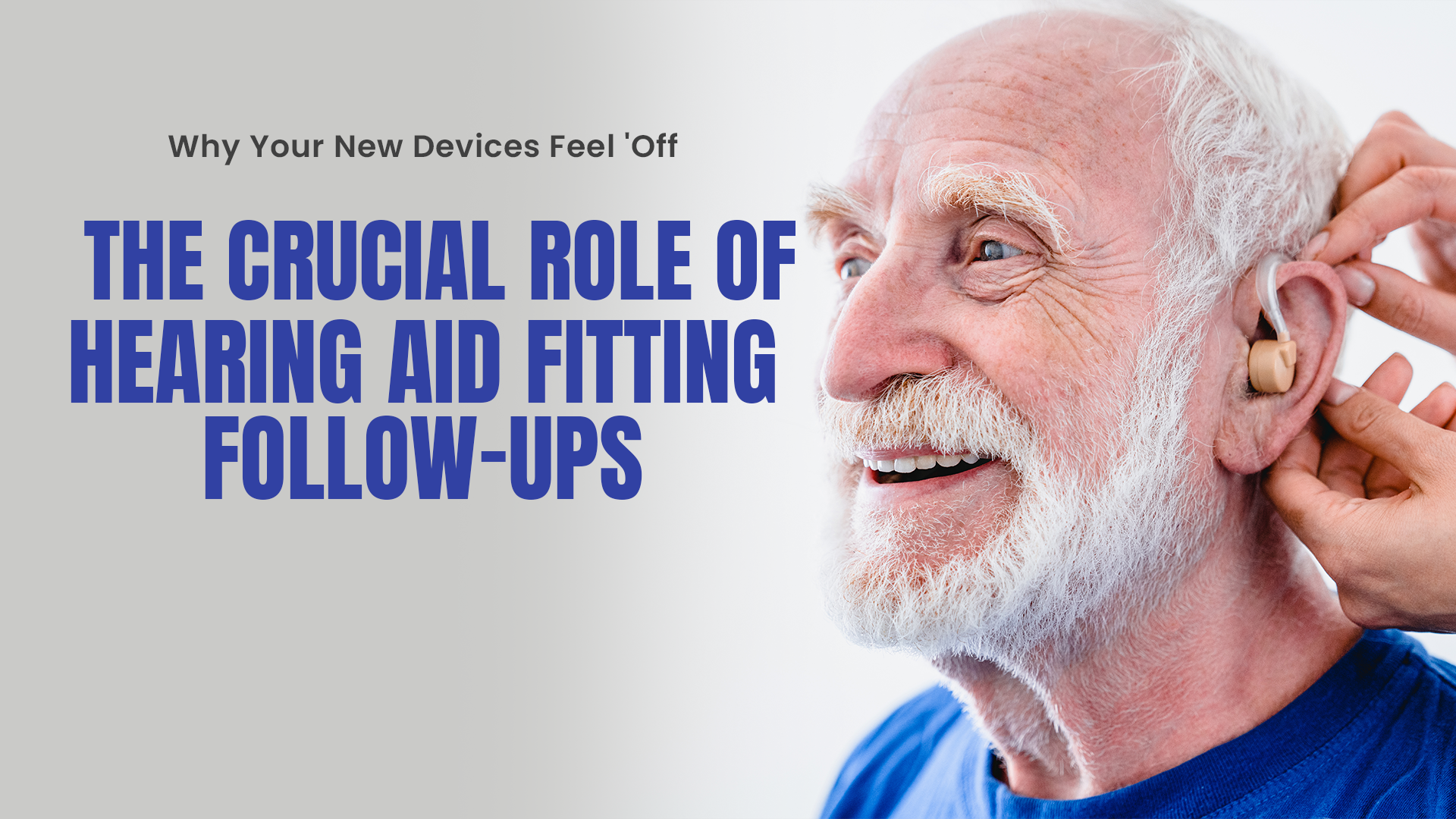
Learn more about hearing aid fitting and follow-up services from Hearing Aids Professionals.
2. Sound Therapy for Ringing in the Ears
Sound therapy involves introducing external sounds to make tinnitus less prominent, particularly in quiet environments. It may be useful when the ringing becomes more noticeable at night, while reading or during other quiet activities.
Sounds for tinnitus treatment may include:
- White noise or gentle background noise: These sounds can make tinnitus less prominent by reducing the contrast between the internal sound and the surrounding environment.
- Nature sounds: Rain, flowing water, ocean waves and birdsong may provide a calming background.
- Soft music: Familiar, relaxing music can help some people shift their attention away from tinnitus.
- Environmental sounds: A fan or other comfortable background sound may help when tinnitus is particularly noticeable in silence.
Keep the volume comfortable and avoid sounds loud enough to damage your hearing. Sound therapy is generally a symptom-management strategy, and the evidence does not establish one sound or device as the best option for everyone.
3. Cognitive Behavioural Therapy (CBT)
Cognitive behavioural therapy is a psychological treatment that helps people recognise and change unhelpful thought patterns and responses associated with tinnitus.
CBT does not necessarily make the sound disappear. Instead, it can help reduce the distress, anxiety and disruption associated with persistent tinnitus. This can make it easier to concentrate, sleep and participate in everyday activities.
CBT is particularly worth considering when tinnitus causes significant emotional distress or affects quality of life. A doctor can help determine whether referral to a suitably qualified psychologist is appropriate.
4. Medical Treatment for the Underlying Cause
Some tinnitus cases require medical assessment rather than hearing aids or sound therapy alone.
Depending on the symptoms, a doctor may investigate earwax build-up, infection, medication effects, inner-ear conditions or other potential causes. Treatment is directed at the identified problem where possible.
There is no established medication that reliably eliminates chronic tinnitus in everyone. Medicines may sometimes be prescribed for associated conditions, such as anxiety or depression, but they should not be treated as a universal tinnitus cure.
Do not stop prescribed medication without discussing it with your doctor.
5. Lifestyle Changes and Natural Tinnitus Management
Lifestyle adjustments can support other treatments, especially when stress, poor sleep or noise exposure makes tinnitus harder to manage.
Practical steps include:
- Maintain a regular sleep routine. A consistent bedtime and a quiet, comfortable sleep environment can support better rest.
- Manage stress. Relaxation exercises, mindfulness and gentle physical activity may help you cope with tinnitus-related distress.
- Protect your hearing. Use appropriate hearing protection around hazardous noise, but avoid excessive earplug use in ordinary quiet environments.
- Identify personal triggers. Keep a simple record of when tinnitus becomes more noticeable and whether sleep, stress, noise or other factors coincide with changes.
- Review your medications with a healthcare professional. Some medicines can affect tinnitus, but any changes should be medically supervised.
These natural treatment approaches may improve comfort and coping, but they should not be presented as proven methods for permanently removing tinnitus. Evidence for supplements marketed specifically for tinnitus is also limited, so seek professional advice before spending money on them.
How Is Tinnitus Diagnosed Before Treatment?
![Tinnitus treatment in Sydney]](https://hearingaidsprofessionals.com.au/wp-content/uploads/2026/10/Tinnitus-treatment-in-Sydney.png "Can Tinnitus Be Treated? Understanding Current Treatment Options 3")
A tinnitus assessment helps establish whether the symptoms may be related to hearing loss, an ear condition or another medical issue.
Your doctor or hearing professional may ask about when the tinnitus started, whether it affects one or both ears, the sounds you hear and how it affects your daily life. An examination and hearing test may be recommended, with further medical investigation depending on your symptoms.
A typical assessment may include:
- Symptom history: Understanding the onset, duration, sound characteristics and impact of tinnitus.
- Ear examination: Checking for visible problems, such as earwax or signs of infection.
- Hearing assessment: Identifying hearing loss or other changes that may influence treatment decisions.
- Referral when needed: Arranging medical or specialist assessment if the symptoms suggest an underlying condition requiring further investigation.
A hearing test is useful even if you do not think your hearing has changed. Some hearing loss develops gradually and may not be obvious in everyday conversations.
When Should You Seek Urgent Medical Advice?
Although tinnitus is often associated with hearing changes or noise exposure, certain symptoms require prompt assessment.
Seek urgent medical attention if tinnitus accompanies sudden hearing loss, particularly if it develops over hours or a few days. Do not wait for a routine hearing appointment.
Arrange prompt medical assessment if tinnitus is persistent in only one ear, pulses in time with your heartbeat, or occurs with significant balance problems or other new neurological symptoms. These features may require further investigation.
Where Can You Get Tinnitus Treatment in Australia?
Tinnitus treatment in Australia may involve a GP, an audiologist or audiometrist, an ear, nose and throat (ENT) specialist, or a psychologist, depending on the symptoms and treatment needs.
Hearing Aids Professionals provides tinnitus management services alongside hearing assessments and hearing aid services. Its team can help assess hearing needs and discuss suitable hearing-related management options.
The practice lists locations in Penrith, Merrylands and Gladesville, NSW. Its published service information does not establish clinic availability in Melbourne, Adelaide, Sydney, Brisbane and Perth collectively, so check the provider’s contact page for current appointment and service details.
If you are looking for tinnitus treatment in Sydney or elsewhere in Australia, begin with an assessment rather than choosing a device based solely on advertising. The right professional can help determine whether hearing aids, sound-based strategies, medical investigation or another form of support is appropriate.
Take the First Step Towards Managing Tinnitus
Tinnitus treatment is not about promising a permanent cure. It is about identifying possible causes, choosing evidence-based management strategies and reducing the effect of tinnitus on everyday life.
If you are experiencing ringing in your ears, consider arranging a medical review and hearing assessment. Hearing Aids Professionals offers tinnitus management and hearing assessment services to help you explore appropriate next steps.
Understanding your hearing can also help guide treatment decisions. Read our guide to speech recognition testing and better hearing to learn how speech testing can provide further insight into your hearing needs.
The sooner you understand your symptoms and available options, the better placed you are to make informed decisions about your hearing health.
Frequently Asked Questions About Tinnitus Treatment
There is no single best treatment for everyone. Hearing aids may help when tinnitus accompanies hearing loss, while CBT can reduce tinnitus-related distress. Sound enrichment and treatment of an underlying medical cause may also be appropriate.
Yes. Tinnitus treatment without hearing loss may include sound enrichment, CBT, education and coping strategies. A hearing assessment and medical review can help determine which options are suitable.
Try comfortable background sounds, such as gentle rain or soft music, alongside a regular sleep routine. If tinnitus repeatedly disrupts your sleep, discuss further management options with a healthcare professional.
No medicine is currently established as a reliable cure for chronic tinnitus. Medication may be appropriate for an underlying condition or associated anxiety and depression, depending on an individual’s circumstances.
Yes, some cases improve or resolve, particularly when the tinnitus is temporary or linked to a treatable cause. Persistent tinnitus may continue, but its perceived intensity and impact can change over time.