

Hearing plays a critical role in communication, safety, and overall quality of life. Yet many Australians delay getting a hearing test in Australia, often overlooking subtle symptoms. This guide explains everything you need to know, from audiometry test types to costs and benefits, so you can take proactive steps toward better hearing health.
What is a Hearing Test?
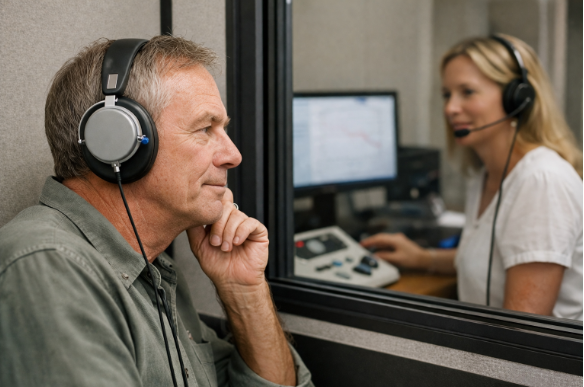
A hearing test, also known as a comprehensive hearing assessment, evaluates your ability to detect sounds, understand speech, and identify potential hearing issues. It involves a range of diagnostic tools designed to assess both ear function and auditory processing.
Why Hearing Tests Are Important
Regular testing helps detect issues early, preventing long-term complications. Whether you’re experiencing symptoms or just being proactive, a hearing loss test ensures your auditory system is functioning optimally.
Early Symptoms of Hearing Loss
Recognising the early signs of hearing loss is key. Watch for:
- Frequently asking people to repeat themselves
- Difficulty hearing in noisy environments
- Turning up TV or phone volume excessively
- Ringing in the ears (tinnitus)
When to Book a Hearing Check
If you notice any of the above, it’s time to search for a hearing check near me. Understanding how to know if you need a hearing test can help you act before the condition worsens.
Types of Hearing Tests Available in Australia
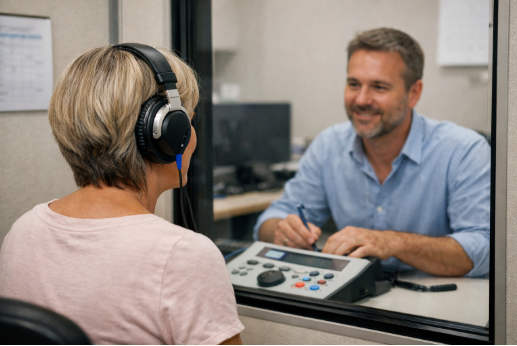
Comprehensive Hearing Assessment
This is the most detailed evaluation, combining multiple audiometry test types to assess hearing thresholds and speech clarity.
Mobile Audiometry (At-Home Hearing Test)
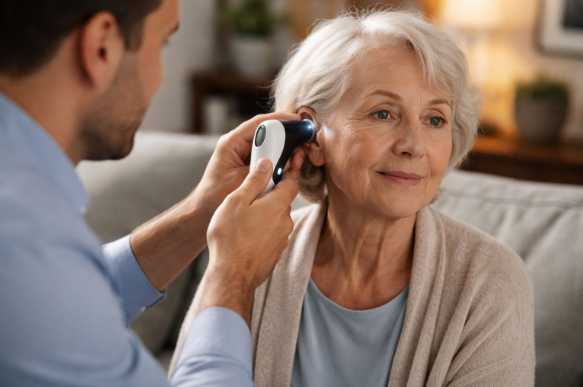
Mobile audiometry in Australia allows professionals to conduct tests at your home or workplace. These At-home hearing tests in Australia are ideal for elderly individuals or those with mobility challenges.
Bone Conduction Test
This test measures how sound travels through the bones of the skull, helping identify conductive hearing issues.
Speech Recognition Testing
Evaluates how well you understand spoken words at different volumes, a crucial part of diagnosing functional hearing ability.
Tympanometry Test
This assesses middle ear function, identifying issues like fluid buildup or eardrum abnormalities.
How a Hearing Test Works (Step-by-Step Process)
Initial Consultation
The audiologist discusses your symptoms, medical history, and lifestyle factors before starting the hearing loss test.
Audiometry Testing Procedure
If you’re wondering what happens during a hearing test, it typically includes:
- Wearing headphones in a soundproof room
- Responding to tones at different frequencies
- Speech recognition exercises
Results & Diagnosis
Results are plotted on an audiogram, which helps determine the type and severity of hearing loss, if present.
Benefits of Early Hearing Detection
Preventing Hearing Loss Progression
Early detection allows for timely interventions, slowing or even halting further damage.
Improving Quality of Life
Better hearing enhances communication, relationships, and mental well-being.
Better Hearing Aid Outcomes
Early diagnosis leads to more effective treatment, especially when working with experienced Hearing Aids Professionals.
At-Home vs Clinic Hearing Tests
Key Differences
- At-home hearing tests in Australia offer convenience and comfort
- Clinic tests provide controlled environments and advanced equipment
Which Option is Right for You
Choose based on your mobility, urgency, and need for detailed diagnostics. For initial screenings, mobile services are sufficient; for complex issues, clinic visits are recommended.
How Often Should You Get a Hearing Test?
Age-Based Recommendations
- Under 40: Every 3–5 years
- 40–60: Every 2–3 years
- 60+: Annually
Risk Factors to Consider
You may need more frequent checks if you:
- Work in noisy environments
- Have a family history of hearing loss
- Experience recurring ear infections
Choosing the Right Hearing Care Provider
What to Look for in an Audiologist
- Accreditation and qualifications
- Experience with various audiometry test types
- Access to modern diagnostic equipment
Importance of Professional Services
Professional guidance ensures accurate diagnosis and tailored treatment plans, especially when considering hearing aids.
Hearing Test Cost in Australia
Factors Affecting Pricing
The hearing assessment cost in Australia varies depending on:
- Type of test conducted
- Location (clinic vs mobile)
- Provider expertise
Free vs Paid Hearing Tests
Some providers offer free screenings, but a comprehensive hearing assessment may involve a fee for detailed diagnostics.
What Happens After a Hearing Test?
If hearing loss is detected, professionals may recommend devices suited to your lifestyle and severity level.
Regular monitoring ensures your hearing remains stable and devices continue to perform effectively.
Conclusion
Hearing health should never be overlooked. Whether you opt for mobile audiometry in Australia or a clinic visit, taking action early can significantly improve your quality of life. Understanding whether you need a hearing test and recognising the early signs of hearing loss are crucial first steps. To better understand the process and benefits, explore what to expect from a comprehensive hearing assessment in Australia.
If you suspect any issues, don’t delay. Connect with experienced Hearing Aids Professionals today to schedule your hearing test in Australia and take control of your hearing health.
Frequently Asked Questions
1. How long does a hearing test take?
Most tests take 20 to 60 minutes, depending on the complexity of the hearing loss test.
2. Is a hearing test painful?
No, hearing tests are completely non-invasive and painless.
3. Can hearing loss be reversed?
Some types are treatable, but most are managed rather than reversed, highlighting the importance of early detection.
4. Are at-home hearing tests accurate?
At-home hearing tests in Australia are reliable for screening, but clinic-based tests provide more comprehensive results.
5. What happens during a hearing test?
As explained earlier, what happens during a hearing test includes tone detection, speech testing, and audiogram analysis.


