The right musician earplugs reduce potentially damaging sound while helping you hear music clearly, maintain pitch awareness and stay connected with other performers. For Australian musicians, the best choice depends on your instrument, typical sound levels, performance environment, required noise reduction and how comfortably the earplugs fit.
Unlike conventional foam earplugs, high-fidelity earplugs use acoustic filters designed to reduce sound more evenly across frequencies. This can help preserve the balance between vocals, instruments and other musical elements, although no earplug can guarantee perfectly natural sound or eliminate every hearing risk.
Whether you perform at live gigs, record in a studio, rehearse with a band or practise an instrument daily, choosing suitable hearing protection is an essential part of looking after your long-term hearing.
Why Do Musicians Need Specialised Hearing Protection?

Musicians can experience repeated exposure to loud sound during rehearsals, performances, recording sessions and venue sound checks. Drummers may sit close to cymbals and other percussion, while guitarists, vocalists and DJs can spend extended periods near amplified sound.
According to Australia’s National Acoustic Laboratories’ Know Your Noise resource, repeated or prolonged exposure to sound at or above 85 decibels (dB) can cause hearing damage. Risk increases with both sound intensity and exposure duration. Loud music can also contribute to tinnitus, which causes ringing, buzzing or similar sounds in the ears.
Ordinary earplugs can reduce sound, but they may make music seem muffled or unbalanced. High-fidelity earplugs are designed to address this problem by reducing sound while preserving more of its tonal balance.
The aim is not simply to make music quieter. It is to achieve appropriate hearing protection without unnecessarily compromising your ability to perform, listen and communicate.
What Makes High-Fidelity Earplugs Different?

High-fidelity earplugs, sometimes called filtered or musician earplugs, use acoustic filters to reduce incoming sound while aiming to preserve the relative balance between frequencies.
Conventional foam earplugs can also provide substantial protection when correctly fitted, but their frequency response may make music sound less clear or natural. High-fidelity options can be preferable when hearing musical detail matters.
Three features deserve particular attention:
- Sound attenuation: This describes how much the earplugs reduce incoming sound. The appropriate level depends on your actual exposure, not simply your instrument or musical genre.
- Frequency response: A more even reduction across frequencies can help preserve the balance between bass, midrange and treble.
- Fit and comfort: Earplugs must fit correctly and remain securely in place throughout a performance. Poor fit can reduce their real-world protection.
Remember that high-fidelity does not mean that sound is reduced equally in every situation or that hearing is fully protected at any volume. The actual attenuation depends on the product, fit, and conditions of use.
How to Choose Musician Earplugs for Different Environments

The best earplugs for musicians depend on where you perform, how loud the environment gets, and how long you wear them. Consider the following differences before choosing a pair.
1. Live gigs and concerts
Live performances expose musicians to changing sound levels, amplified instruments, monitor speakers and potentially loud front-of-house systems.
Look for high-fidelity earplugs that provide suitable attenuation while allowing you to hear vocals, timing cues and the overall musical mix. If you perform regularly, custom musician earplugs may be worth considering for their individual fit and potential for extended-wear comfort.
Remember that standing further from speakers, taking breaks in quieter areas and reducing monitor levels where practical can also lower your exposure. Earplugs should complement these measures, not replace them.
2. Studio recording and mixing
Studio work requires attention to subtle details, including vocal articulation, instrument separation and tonal balance. Filtered earplugs may be useful during loud tracking sessions, drum recording or rehearsals in the studio.
However, hearing protection is not a substitute for accurate monitoring. Earplugs change the sound reaching your ears, so do not assume a mix heard through them will translate accurately to headphones or studio monitors.
For mixing and mastering, use an appropriate monitoring environment and take regular breaks. If sound levels are high during recording, choose protection based on the exposure rather than removing it simply to hear more detail.
3. Band practice and rehearsals
Rehearsals can be deceptively demanding because musicians may repeat the same loud passages for hours. Drums, guitar amplifiers and monitor speakers can combine to create substantial sound exposure.
Reusable musician earplugs are practical for regular practice because they can be kept with your instrument or rehearsal equipment. Prioritise a secure fit, comfortable wear and sufficient attenuation for the actual sound levels.
Consider lowering amplifier volumes, repositioning equipment and balancing the band’s sound before relying entirely on hearing protection.
4. Orchestras and acoustic ensembles
Orchestra musicians may experience different exposure depending on their seat, instrument and proximity to louder sections. Brass and percussion players, for example, may encounter different sound conditions from musicians seated elsewhere.
The best earplugs for orchestra musicians should balance adequate attenuation with the need to hear pitch, dynamics and ensemble cues. Custom options with appropriate filters may be useful, but a hearing professional should help determine the required protection for your circumstances.
5. DJs, singers and instrumentalists
Different performance roles create different listening demands, but your instrument alone cannot determine the correct filter strength.
- Drummers: Consider protection suitable for sustained exposure to percussion and cymbal sound.
- Singers: Prioritise fit and clarity for monitoring your own voice, other vocalists and backing instruments.
- Guitarists and bassists: Consider the combined output of amplifiers, drums and stage monitors.
- DJs: Assess exposure from booth monitors, club sound systems and the length of each set.
- Orchestral musicians: Consider your seating position, neighbouring instruments and rehearsal duration.
These are starting points, not fixed prescriptions. Actual sound measurements and wearing conditions matter more than the instrument category.
Custom-Made vs Universal Earplugs for Musicians

Both universal-fit and custom-made earplugs can be useful. The better option depends on your budget, fit, frequency of use, and protection requirements.
Feature | Universal-fit musician earplugs | Custom-made musician earplugs |
Fit | Available in standard shapes and sizes | Moulded to the individual’s ears |
Initial cost | Generally lower | Generally higher |
Convenience | Easy to purchase and carry | Requires an impression and fitting process |
Long sessions | Comfort depends on the design and fit | Individual fit may improve comfort for extended wear |
Acoustic filters | Depends on the model | Depends on the selected product and filter |
Best suited to | Casual gig attendance, practice and trying filtered protection | Frequent performers seeking a personalised fit |
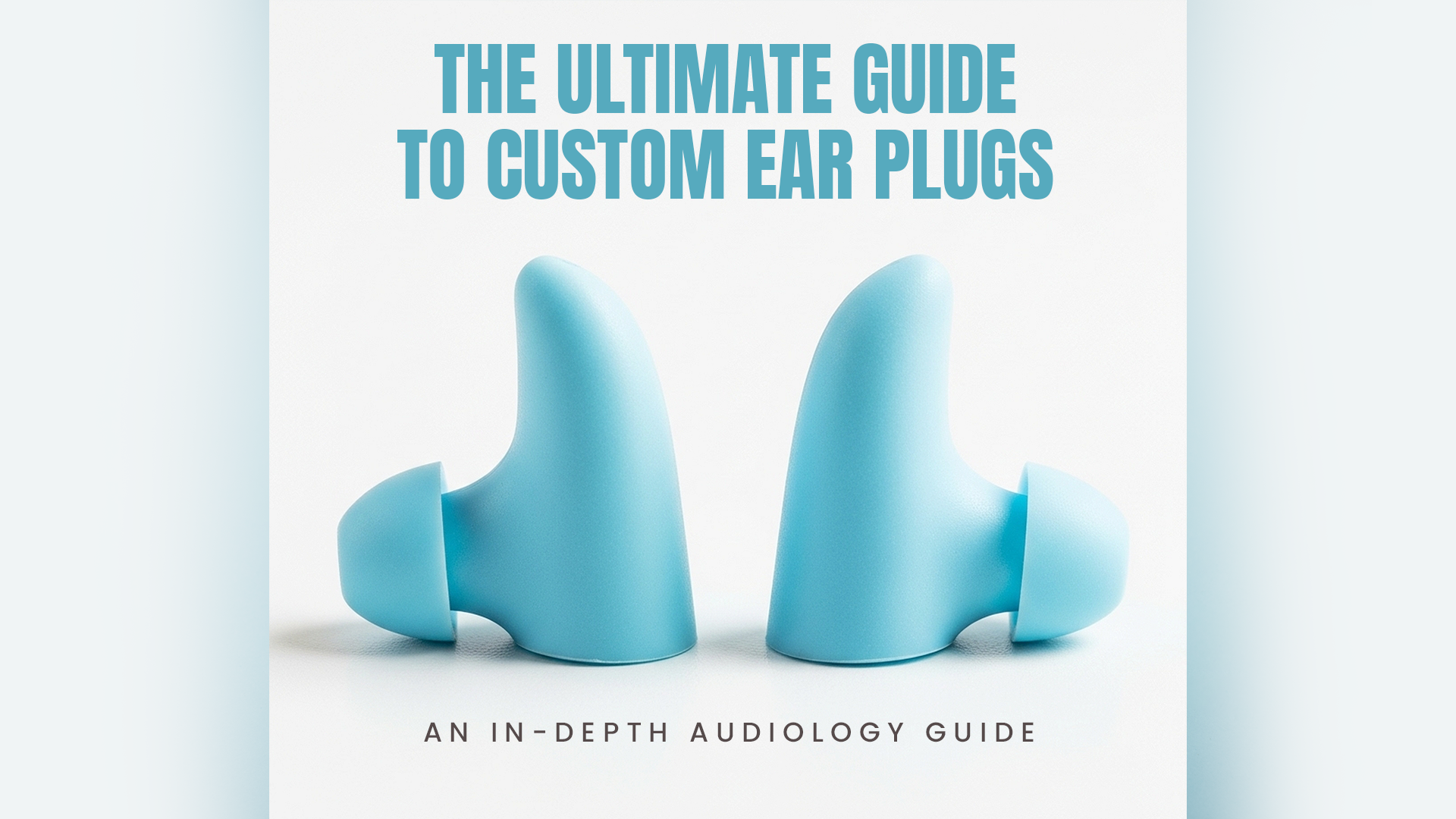
Custom earplugs are particularly worth considering if you perform regularly, find standard earplugs uncomfortable or need a consistent fit across long sessions. They are not automatically more protective than every universal model. Fit, filter performance, insertion and maintenance still matter.
Hearing Aids Professionals offers customised earplugs for different noise-exposure needs, including musician-specific options. Review the available options with the provider to determine whether a custom solution suits your requirements.
How Much Noise Reduction Do You Need?
Choose earplugs based on the sound levels you encounter and the duration of your exposure, rather than selecting the strongest or weakest filter by default.
Attenuation is commonly expressed in decibels. A higher attenuation figure generally indicates greater sound reduction under the relevant test conditions, but the stated rating does not necessarily equal the reduction you will achieve in practice.
Hearing Aids Professionals lists GN ReSound Musicians HearSavers with interchangeable filters rated at 10 dB, 15 dB and 25 dB. These are product-specific figures, so confirm the current specifications and how they relate to your expected exposure before selecting a filter.
For regular performances, consider these steps:
- Assess your exposure. Consider the sound level, time spent playing and cumulative exposure across rehearsals and gigs.
- Choose suitable attenuation. Ask a hearing professional to help determine the appropriate reduction for your environment.
- Check the fit. A filter cannot deliver its intended protection if the earplug does not seal correctly.
- Review your experience. If you notice ringing, muffled hearing or discomfort after performances, reduce exposure and seek appropriate hearing advice.
In Australia, prolonged exposure to noise averaging 85 dB over eight hours can increase the risk of hearing damage, with higher sound levels posing a greater risk over shorter periods. This is a general occupational exposure guideline, not a guarantee that lower sound levels are safe in every concert or rehearsal setting.
How to Get the Best Results from Musician Earplugs
Even good earplugs can provide inadequate protection if they are poorly fitted or inconsistently worn.
- Insert your earplugs according to the manufacturer’s instructions and check that they remain secure while playing, moving or singing.
- Wear them throughout the noisy activity rather than removing them during loud sections.
- Clean and store reusable earplugs as directed to maintain hygiene and condition.
- Inspect them regularly for damage, deterioration or changes in fit.
- Combine earplugs with lower stage volumes, sensible speaker positioning and breaks in quieter areas.
- Arrange a hearing assessment if you regularly work around loud music or experience symptoms such as tinnitus or muffled hearing.
Do not rely on the absence of pain as evidence that sound levels are safe. Noise-related hearing damage can occur without obvious immediate symptoms.
Protect Your Hearing Without Losing Touch with the Music
Choosing musician earplugs involves balancing sound reduction, acoustic clarity, comfort and the demands of your performance environment. High-fidelity filters can help you hear music more naturally than some conventional earplugs, while custom-made options may provide a more personalised fit for regular use.
Start by assessing your typical noise exposure, then compare suitable filters and fitting options rather than choosing solely on price or brand. You can also learn how prolonged workplace noise can lead to hearing loss to better understand the importance of protecting your hearing.
If you perform regularly or need hearing protection for long sessions, explore the custom musician earplug options from Hearing Aids Professionals and discuss your listening requirements with a hearing professional. The goal is straightforward: protect your hearing while continuing to perform, practise and enjoy music for years to come.
Frequently Asked Questions
Q. Are high-fidelity earplugs better than foam earplugs for musicians?
Ans: High-fidelity earplugs are designed to preserve musical balance while reducing sound, which can make them more suitable for performance and listening. Foam earplugs can still provide effective protection when correctly selected and fitted. The right choice depends on the required attenuation, fit and listening demands.
Q. Are custom-made earplugs worth it for professional musicians?
Ans: They can be worthwhile for musicians who perform frequently or wear hearing protection for extended periods. A personalised fit may improve comfort and consistency, but the benefits depend on the individual and the product. Compare the cost, filter options, fitting process and maintenance requirements before deciding.
Q. Can musician earplugs prevent tinnitus?
Ans: No earplug can guarantee that tinnitus will be prevented. Suitable hearing protection can reduce exposure to damaging sound, but risk remains if the noise is excessive, the fit is inadequate or exposure continues for too long. Seek medical advice if you develop persistent ringing or sudden changes in hearing.
Q. Can I use musician earplugs for everyday concerts and festivals?
Ans: Yes. Reusable musician earplugs can be suitable for concertgoers as well as performers, provided they offer appropriate protection and fit securely. Keep them in throughout loud events, take breaks away from speakers and avoid unnecessarily prolonged exposure.
Q. Which musician earplugs are best for Australian musicians?
Ans: The best musician earplugs are those that provide appropriate attenuation, preserve useful musical detail and fit comfortably enough for consistent use. Universal filtered options may suit occasional use, while custom-made earplugs may be preferable for frequent performers who need a personalised fit.