Workplace hearing health is often overlooked until communication problems, safety incidents, or productivity issues begin to appear. Across Australia, many workers are exposed to hazardous noise levels every day in industries such as construction, manufacturing, mining, transport, and warehousing. Without regular hearing screening, employees may develop permanent hearing damage without realising it until symptoms become severe.
Undetected hearing loss can significantly impact workplace safety, employee wellbeing, and operational efficiency. Workers who struggle to hear instructions, alarms, or conversations are at greater risk of accidents and miscommunication. Early employee hearing screening plays a vital role in identifying problems before they become irreversible. Through regular workplace hearing screening, businesses can protect employees, meet compliance obligations, and support long-term employee health.
Australian employers also have responsibilities under occupational health and safety regulations to minimise noise exposure risks. Implementing a structured hearing conservation program with regular workplace audiometry and ongoing monitoring is one of the most effective ways to prevent long-term hearing damage.
Why Workplace Hearing Screening Matters

Regular workplace hearing screening is essential for protecting workers exposed to high noise levels. Early detection through occupational hearing screening helps identify hearing changes before permanent damage occurs.
Key benefits include the following:
- Improved workplace communication
- Reduced risk of accidents
- Better employee wellbeing
- Compliance with Australian regulations
- Lower compensation and liability risks
Businesses that implement routine employee hearing test programs also demonstrate a strong commitment to workplace health and safety standards.
For businesses requiring flexible testing solutions, Mobile Audiometric Testing Service options provide convenient on-site assessments with minimal workplace disruption.
Early Detection Prevents Permanent Damage
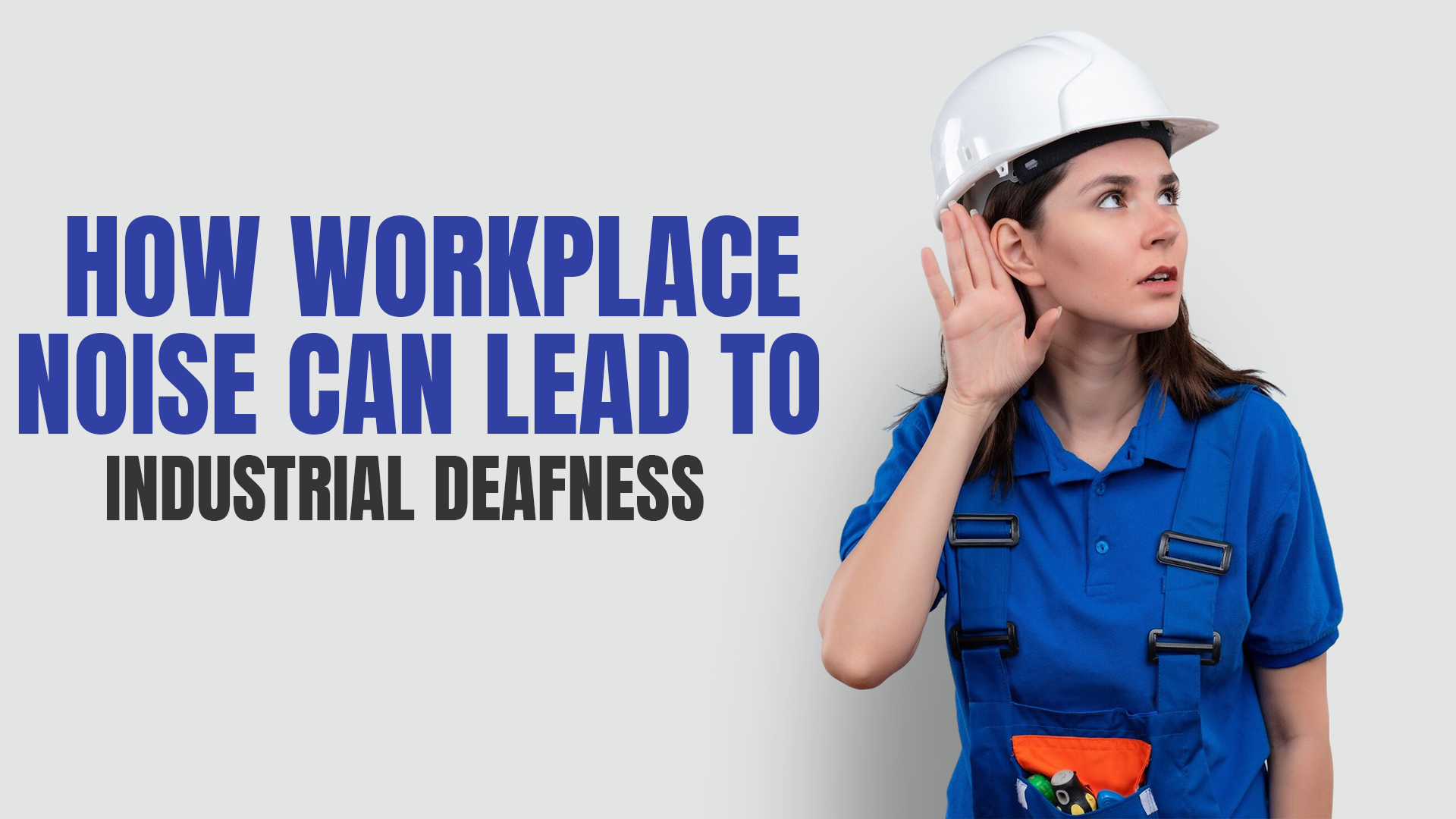
Routine workplace hearing assessment programs help detect hearing deterioration at its earliest stages. Employees working around loud machinery may not immediately notice symptoms of occupational hearing loss until the condition worsens.
Better Safety Outcomes
Employees with untreated hearing problems may struggle to hear warning signals, reversing alarms, emergency announcements, or verbal instructions. This creates serious risks in high-noise environments.
Compliance With Australian Workplace Requirements
Australian employers operating noisy workplaces are often required to implement workplace audiometric testing requirements under workplace safety laws. Regular audiometry helps businesses remain compliant and reduce legal exposure.
10 Warning Signs Your Employees Need Immediate Hearing Screening

1. Employees Frequently Ask Others to Repeat Themselves
One of the earliest hearing loss symptoms in workers is repeatedly asking colleagues to repeat instructions or conversations. This may indicate the need for an immediate hearing test.
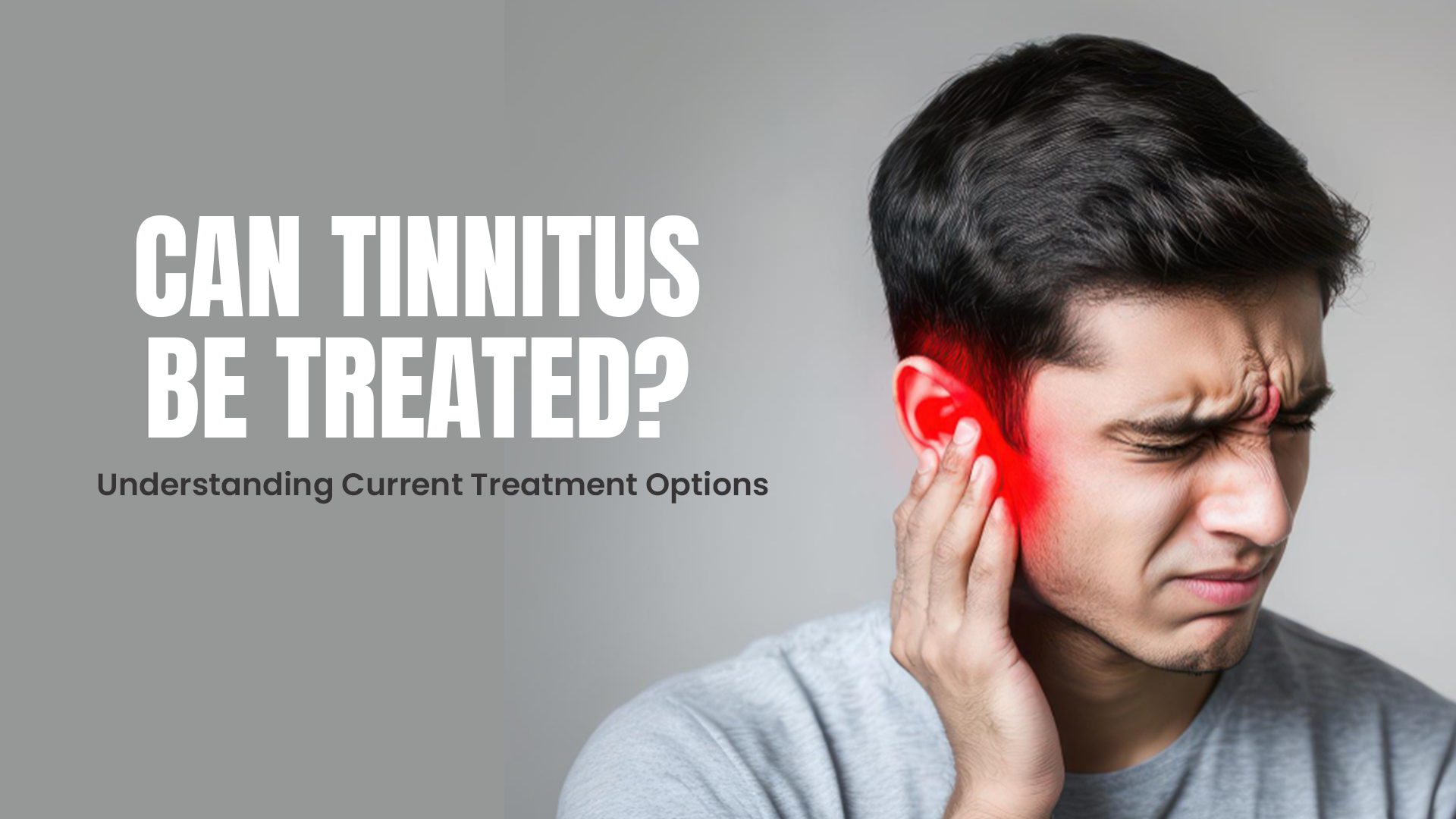
2. Complaints of Ringing in the Ears (Tinnitus)
Persistent ringing or buzzing after noise exposure is a common warning sign of noise induced hearing loss workplace issues. Tinnitus should never be ignored in noisy work environments.
3. Difficulty Understanding Conversations in Noisy Areas
Employees who struggle to follow conversations in workshops, warehouses, or busy environments may require occupational audiometry testing.
4. Employees Increase Volume on Phones or Devices
Workers who constantly raise the volume on communication devices may already be experiencing hearing deterioration.
5. Temporary Hearing Loss After Work Shifts
Temporary muffled hearing after shifts is a major indicator of workplace-related hearing damage and should prompt immediate hearing screening for employees.
6. Workers Struggle to Hear Safety Warnings
Employees unable to hear alarms, vehicle movements, or emergency warnings present a major workplace safety concern.
7. Communication Errors Are Increasing
Frequent misunderstandings and operational mistakes may indicate hearing-related communication issues in the workplace.
8. Employees Are Exposed to Loud Equipment Daily
Industries commonly requiring industrial hearing testing include:
- Construction
- Manufacturing
- Mining
- Warehousing
- Aviation
- Agriculture
Regular employee hearing screening for noisy workplaces is critical in these environments.
9. Frequent Use of Hearing Protection Is Required
Employees regularly using workplace hearing protection should undergo ongoing workforce hearing testing to monitor changes over time.
10. Employees Have Never Had a Baseline Hearing Test
Without a baseline workplace hearing test, employers cannot accurately track hearing changes. Baseline audiometric testing and workplace assessments are essential for long-term monitoring.
Industries Most at Risk for Occupational Hearing Loss
Certain Australian industries face significantly higher risks of occupational hearing loss due to constant noise exposure.
Construction
Heavy machinery, power tools, demolition equipment, and generators create hazardous noise levels daily. Hearing testing for construction workers is strongly recommended.
Manufacturing
Factories and production facilities often expose employees to continuous machinery noise. Regular hearing screening for manufacturing employees helps detect early hearing damage.
Mining
Mining environments involve drilling, blasting, crushing equipment, and heavy vehicles, all of which increase hearing risks.
Transport and Aviation
Pilots, baggage handlers, transport operators, and airport ground staff are regularly exposed to prolonged high-decibel environments.
Agriculture
Farm equipment such as tractors, harvesters, and generators can contribute to long-term hearing damage.
Benefits of Immediate Workplace Hearing Screening
Prevent Permanent Hearing Damage
Early employee health screening hearing programs can identify problems before permanent damage occurs.
Improve Employee Safety
Employees with healthy hearing respond more effectively to workplace hazards and emergency situations.
Meet Workplace Health & Safety Obligations
Routine workplace hearing screening requirements in australia help businesses demonstrate compliance with safety responsibilities.
Reduce Compensation Claims
Preventative hearing management can lower workers compensation risks associated with hearing-related claims.
Support Employee Wellbeing
Protecting hearing health contributes to stronger morale, productivity, and long-term employee satisfaction.
How Workplace Audiometric Testing Works

A professional workplace hearing assessment typically includes several important stages.
Baseline Hearing Assessment
A baseline employee hearing test measures hearing ability before or shortly after exposure to workplace noise begins.
Audiometry Testing
During audiometry, employees wear headphones while responding to tones across different frequencies and volumes.
Results Interpretation
Qualified audiologists review the results to identify hearing shifts or signs of damage.
Ongoing Monitoring
Regular occupational hearing screening helps track changes over time and identify risks early.
Many businesses now use mobile audiometric testing for workplaces, allowing convenient on-site testing with minimal operational downtime.
How Often Should Employees Have Hearing Tests?
Many employers ask, how often should workers have hearing tests?
The answer depends on workplace noise exposure levels and industry requirements.
Baseline Testing
Employees exposed to hazardous noise should complete a baseline hearing test as early as possible after commencing work.
Ongoing Monitoring
Annual workplace hearing screening is commonly recommended for high-noise workplaces.
High-Noise Workplace Recommendations
Employees working around heavy equipment, industrial machinery, or aircraft may require more frequent monitoring under Australian workplace audiometric testing requirements.
Businesses should also regularly review their hearing conservation program to ensure ongoing compliance and employee protection.
Why Choose Hearing Aids Professionals for Workplace Hearing Screening
Hearing Aids Professionals provide reliable and efficient workplace hearing screening services across Australia.
Mobile Audiometric Testing
Convenient on-site testing reduces disruption and improves participation rates.
On-Site Workplace Assessments
Professional workplace evaluations help identify hearing risks and improve noise management strategies.
Qualified Audiologists
Experienced hearing specialists deliver accurate occupational audiometry testing and reporting.
Fast Reporting
Detailed reports help employers act quickly and maintain compliance.
Australia-Wide Workplace Support
Services are tailored for businesses across construction, manufacturing, mining, transport, and industrial sectors.
Useful services include:
- Mobile Audiometric Testing
- Workplace Hearing Tests
- Hearing Assessments
Conclusion
Ignoring the early signs of workplace hearing damage can lead to serious safety risks, communication issues, and permanent hearing loss. Regular employee hearing screening, ongoing workplace audiometry, and proactive hearing protection strategies are essential for maintaining a safe and productive workplace.
To better understand the testing process and long-term benefits, explore the complete guide to hearing tests in Australia for valuable insights into workplace hearing care and prevention.
If your employees are exposed to loud environments or show signs of hearing difficulties, now is the time to act. Contact Hearing Aids Professionals today to arrange professional workplace hearing screening services and protect your workforce for the future.
FAQs
Employees may require a hearing test if they frequently ask others to repeat themselves, complain of ringing ears, struggle in noisy environments, or miss safety instructions.
Common hearing loss symptoms in workers include tinnitus, muffled hearing after shifts, communication difficulties, and increased device volume usage.
In high-noise industries, annual workplace hearing screening is generally recommended. Some workers may require more frequent monitoring depending on exposure levels.
Many noisy workplaces must follow workplace hearing screening requirements in australia under workplace health and safety regulations, particularly where hazardous noise exposure exists.
Industries commonly requiring occupational hearing screening include construction, manufacturing, mining, aviation, agriculture, warehousing, and transport.
Yes. Consistent use of workplace hearing protection, regular hearing checks for workers, and effective noise management programs can significantly reduce the risk of hearing damage.