

A comprehensive hearing assessment is an essential step in understanding your hearing health and addressing any concerns early. For Australians of all ages, hearing plays a vital role in communication, work performance, and overall wellbeing. Whether you are noticing subtle changes or responding to clear hearing loss symptoms, knowing what happens during a Hearing Assessment in Australia helps reduce anxiety and ensures you get the most value from your appointment.
Why a Professional Hearing Assessment Matters

A professional hearing assessment goes beyond a simple hearing check. It is a detailed clinical process designed to identify hearing thresholds, assess ear function, and guide personalised treatment.
Early Detection and Prevention
A full hearing evaluation in Australia can detect problems before they worsen. Early diagnosis allows audiologists to provide hearing protection advice, lifestyle guidance, or timely intervention such as hearing aids.
Who Should Book a Hearing Test
An adult hearing assessment is recommended if you struggle with conversations, increase TV volume, or work in noisy environments. Many Australians also book workplace hearing assessment services or on-site hearing testing to meet safety standards.
How Does a Comprehensive Hearing Assessment Work

Understanding how a comprehensive hearing assessment works helps you prepare confidently.
Step by Step Hearing Assessment Guide
Case History and Ear Examination
The hearing test process begins with questions about your medical history, noise exposure, and daily listening challenges. The audiologist then performs an ear examination to check for blockages or infections.
Diagnostic Hearing Tests
A full hearing test involves several types of hearing tests used in audiology, each providing specific insights into your ear and nerve function.
Types of Hearing Tests Used in Audiology
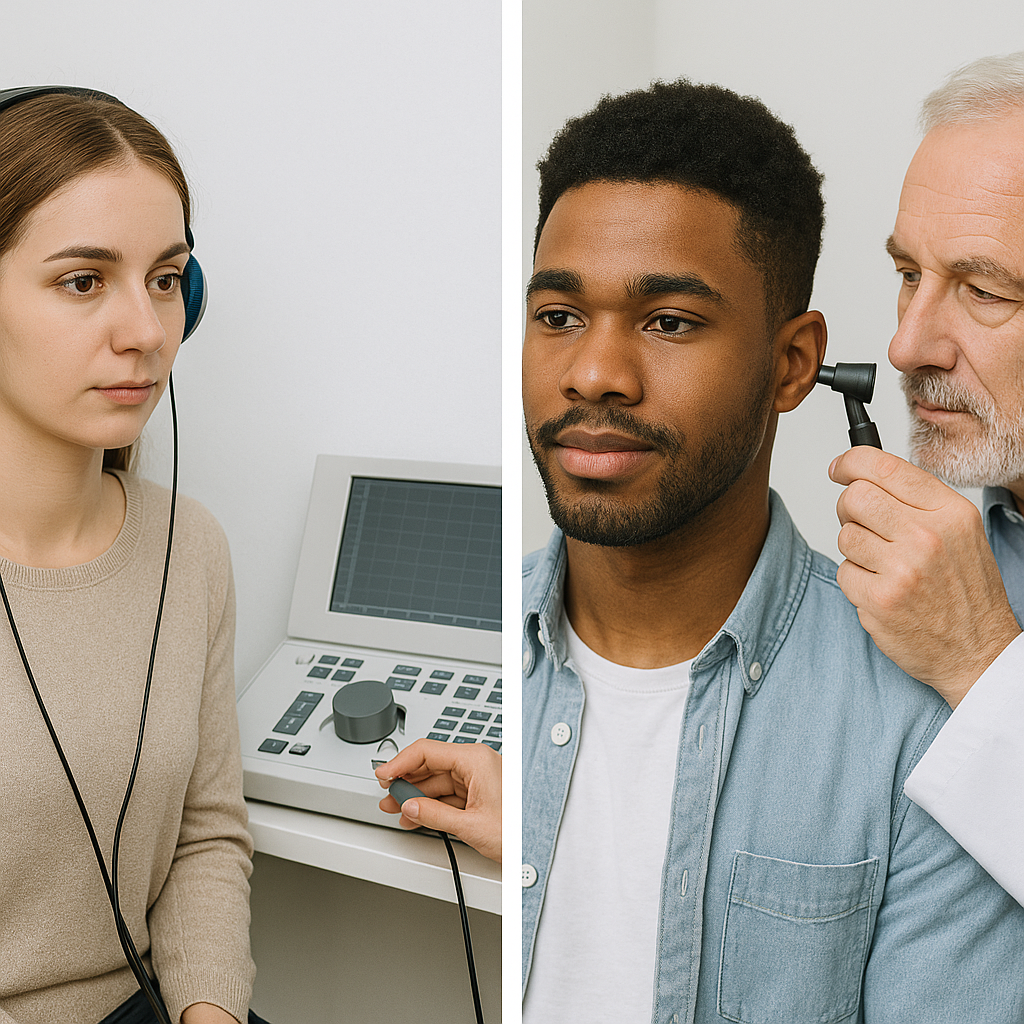
Bone Conduction Testing
Bone Conduction Testing offered by Hearing Aids Professionals plays a vital role in identifying the type and cause of hearing loss. This specialised test bypasses the outer and middle ear, delivering sound directly to the inner ear for accurate results. It helps distinguish between conductive, sensorineural, and mixed hearing loss. The findings support precise diagnosis and guide personalised treatment recommendations tailored to each individual’s hearing needs.
Speech Recognition Testing
Speech recognition testing evaluates how clearly you understand words at various volumes. The Speech audiometry test answers common questions like What is speech audiometry? and reflects everyday listening situations such as conversations in noise.
Tympanometry and Middle Ear Testing
A tympanometry test in Australia measures middle ear movement and pressure. This middle ear pressure test supports middle ear testing and explains What tympanometry testing is used for eardrum issues. It is essential for identifying fluid, eardrum issues, or Eustachian tube problems.
Understanding Your Results and Next Steps
After testing, the audiologist explains your results, including audiogram interpretation, hearing thresholds, and ear function testing outcomes. This leads into a personalised hearing treatment plan, which may include monitoring, medical referral, or the hearing aid recommendation process supported by experienced Hearing Aids Professionals.
Finding the Best Hearing Assessment Services in Australia
Whether you search for a hearing clinic near me, an audiologist in Sydney, or a hearing specialist in Australia, choose providers offering comprehensive testing, modern equipment, and clear guidance. A reputable hearing clinic in Australia ensures continuity of care from assessment to treatment.
Conclusion
A comprehensive hearing assessment is a proactive investment in your quality of life. By understanding what to expect in a hearing test in Australia, you can take control of your hearing health with confidence. From advanced audiologist hearing tests to personalised solutions, trusted Hearing Aids Professionals are here to help. Book your hearing loss test today or call us on 02 8313 1111 to schedule your appointment and take the first step toward better hearing.
Frequently Asked Questions
A comprehensive hearing assessment typically includes a case history review, otoscopic examination, pure tone audiometry, bone conduction test, speech recognition test, and tympanometry test. These diagnostic hearing tests help determine hearing thresholds and accurately diagnose hearing loss.
In most cases, no. A Hearing test in Australia can be booked directly without a referral. Some government funded or specialist programs may require one.
Bone conduction testing determines whether hearing loss is conductive, sensorineural, or mixed by bypassing the outer and middle ears and delivering sound directly to the inner ear.
Yes. Audiologists usually explain your audiometry results and audiogram on the same day, along with treatment options and next steps.
You should book a hearing health assessment if you notice difficulty understanding speech, ringing in the ears, frequent mishearing, or needing higher volumes. Adults over 50 are encouraged to have annual checks. Contact our Hearing Aids Professionals on 02 8313 1111 to book your assessment or learn more about our mobile and clinic-based services.


