Receiving new hearing aids is an exciting milestone. Whether you’ve been living with gradual hearing loss for years or have only recently sought help, the prospect of hearing conversations, nature, and everyday sounds more clearly can be life-changing. However, many people expect their new devices to work perfectly from the moment they leave the clinic. In reality, adjusting to hearing aids is a gradual process, not an overnight transformation.
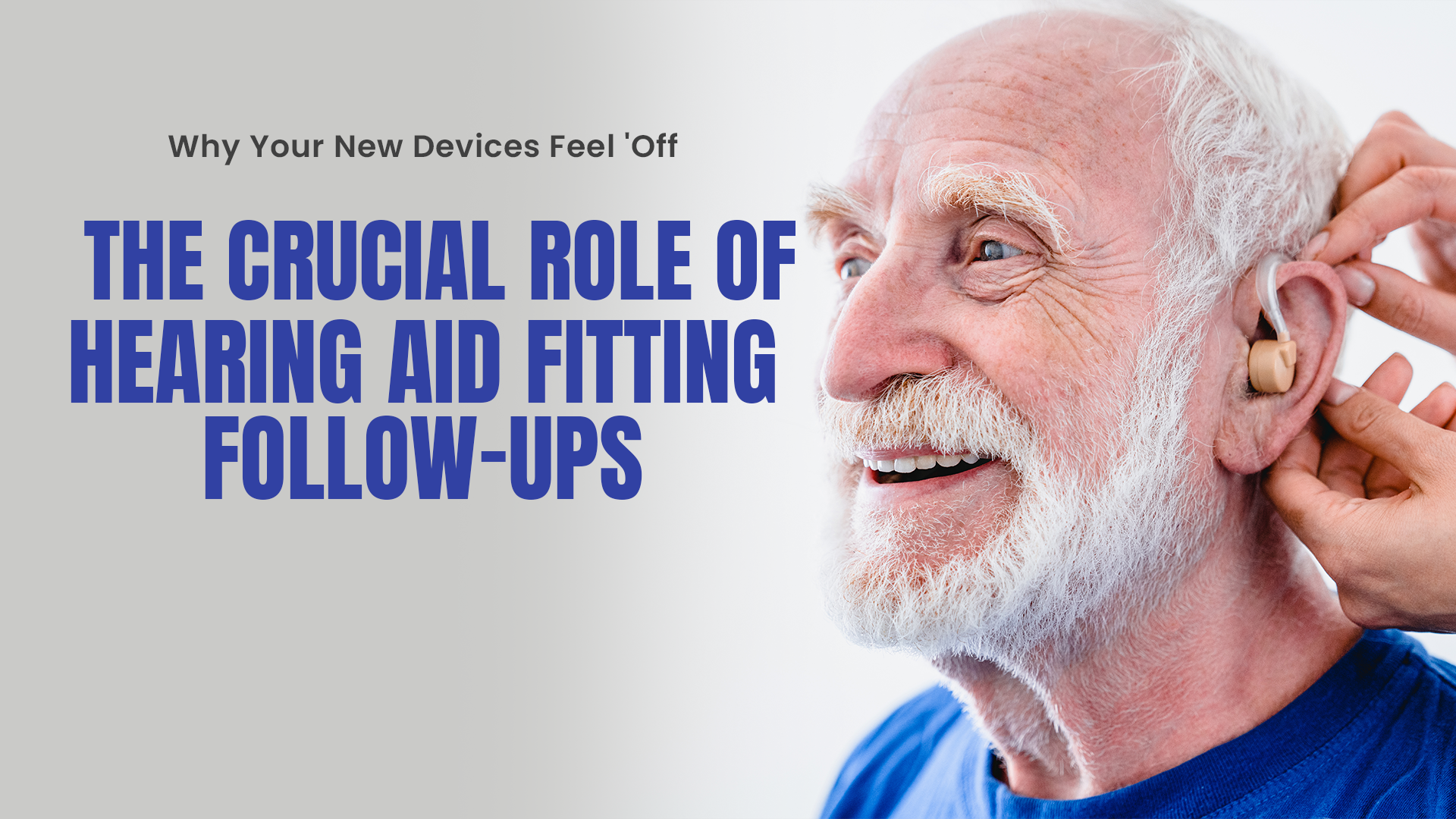
A professional hearing aid fitting is only the beginning of your hearing journey. Your brain needs time to adapt to sounds it may not have heard clearly for months or even years, while your hearing devices often require personalised adjustments to suit your lifestyle and listening environments. Regular follow-up appointments allow your audiologist to fine-tune your devices, improve comfort, and optimise performance as your needs become clearer over time.
Every successful hearing care journey starts with comprehensive Hearing Tests, followed by personalised Hearing Aid Fittings and ongoing support. Professional Audiology Services ensure your hearing devices continue performing at their best while addressing your changing hearing needs over time.
If your new hearing aids feel unusual, don’t worry. With the right support and ongoing care, they can become a comfortable and effective part of your daily life.
Why New Hearing Aids Can Feel Different

It’s common to feel surprised when you first start wearing hearing aids. Even the most advanced digital devices cannot instantly recreate a natural listening experience because both your ears and your brain need time to adapt.
Sounds May Seem Louder Than Expected
One of the most common concerns is that everyday sounds suddenly seem much louder. The hum of the refrigerator, footsteps across the floor, rustling paper, or the indicator in your car may become more noticeable than you remember.
This doesn’t necessarily mean your hearing aids are too loud. Instead, your brain is relearning how to process sounds that were previously reduced by hearing loss. Over time, these background sounds often become less distracting as your brain adjusts.
Your Own Voice May Sound Different
Many first-time hearing aid users notice that their own voice sounds fuller, louder, or slightly unfamiliar.
This sensation usually improves as you become accustomed to wearing your devices. If the change continues to feel uncomfortable, your audiologist can assess the fit of your ear canal and make a hearing aid adjustment to improve the listening experience.
Everyday Noises Become More Noticeable
Modern hearing aids are designed to restore access to a wider range of sounds, not just speech. As a result, environmental noises such as birds singing, running water, or air conditioning may suddenly seem much more obvious.
Although this can feel overwhelming at first, these sounds are part of a healthy listening environment and help your brain rebuild its awareness of the world around you.
Everyone Adapts at Their Own Pace
There is no universal timeline for adapting to hearing aids. Factors such as the degree of hearing loss, previous hearing aid experience, and the amount of daily device use all influence the adjustment period.
If you’re wondering why do my new hearing aids sound strange, remember that this is one of the most common questions audiologists hear. Consistent daily wear and regular follow-up care usually make a significant difference.
What Happens During a Hearing Aid Fitting?
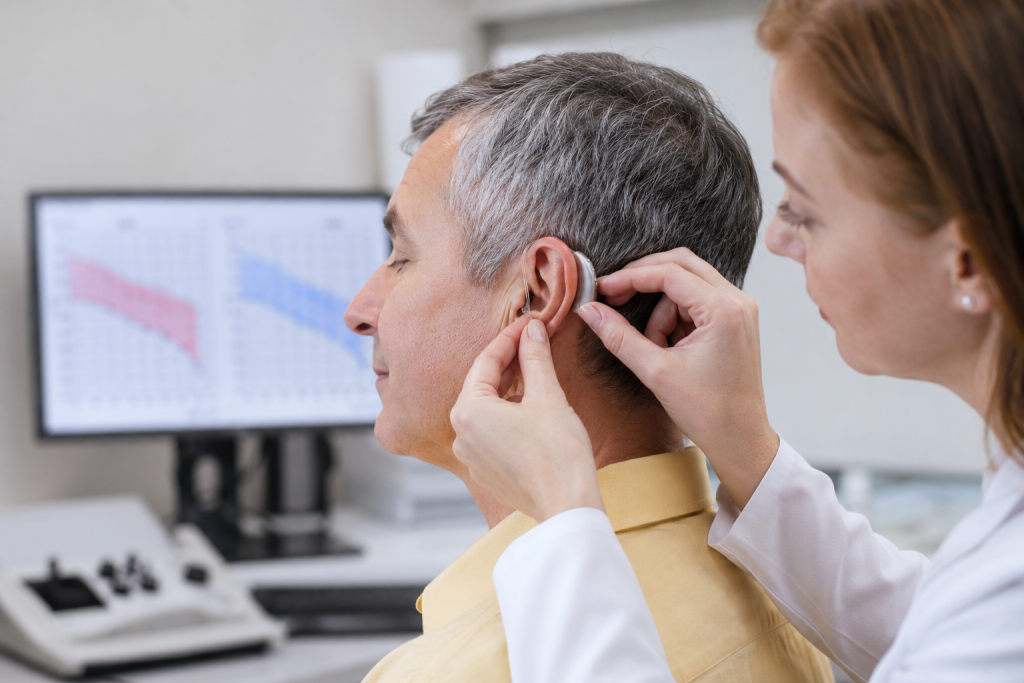
Many people assume that a fitting appointment simply involves collecting their hearing aids and wearing them home. In reality, the hearing aid fitting process is a carefully planned consultation that ensures your devices match both your hearing needs and your lifestyle.
Comprehensive Hearing Assessment
Your appointment begins with a review of your hearing assessment results. If needed, your audiologist may discuss any recent changes in your hearing or repeat elements of your hearing test to confirm that the selected devices remain appropriate.
This information forms the foundation for accurate hearing aid programming.
Personalised Device Programming
Modern digital hearing aids can be programmed with remarkable precision. Using specialised software, your audiologist performs hearing aid programming to match amplification levels to your individual hearing profile.
Rather than applying the same settings to every patient, the devices are customised to provide clearer speech while maintaining comfortable listening levels.
Ear Measurements and Verification
An effective fit depends on more than simply placing the hearing aids in your ears.
Your audiologist checks the physical fit within the ear canal and may use Real Ear Measurements to verify that the devices are delivering the correct level of sound. This objective assessment helps ensure the hearing aids perform as intended in real-world listening situations.
Comfort Testing
Comfort is just as important as sound quality.
During your hearing aid fitting appointment, the audiologist checks for pressure points, assesses how securely the devices sit in your ears, and ensures they remain comfortable during everyday movement.
Small changes to domes, receivers, or custom moulds can significantly improve hearing aid comfort, particularly during extended daily wear.
Initial Sound Settings
Your first settings are designed to provide a comfortable starting point rather than the final configuration.
Most audiologists intentionally avoid setting maximum amplification on day one. This allows your brain to adjust gradually while reducing the likelihood of listening fatigue.
Patient Education
Before you leave the clinic, your audiologist will explain how to:
- Insert and remove your hearing aids correctly.
- Clean and maintain your devices.
- Charge or replace batteries where applicable.
- Connect Bluetooth features if available.
- Use companion smartphone apps.
- Recognise when to book a hearing aid follow up appointment.
Your audiologist may also explain the importance of regular Hearing Aid Maintenance, when Hearing Aid Repairs may be required, and how to care for your devices between appointments to maximise their lifespan.
Understanding these basics helps you get the most from your hearing aids while reducing avoidable problems during the first few weeks.
Why Follow-Up Appointments Matter More Than You Think
Many people believe the fitting appointment marks the end of the process. In reality, ongoing hearing aid aftercare often has the greatest impact on long-term success.
Follow-up appointments are an essential part of comprehensive Hearing Loss Services, allowing your audiologist to monitor your progress, optimise your hearing aids, and recommend additional care whenever required.
Your hearing needs become clearer once you’ve worn your devices in real-life situations such as restaurants, workplaces, family gatherings, or while watching television. These experiences provide valuable information that allows your audiologist to make meaningful improvements.
Fine-Tuning for Everyday Listening
During your hearing aid fine tuning appointment, your audiologist reviews your experiences since the initial fitting.
You might report that conversations are clear at home but difficult in cafés, or that traffic noise seems overwhelming during walks. These practical examples help guide targeted adjustments.
Rather than relying on guesswork, your audiologist uses your feedback to achieve better hearing aid optimisation for your daily routine.
Improving Speech Clarity
Speech understanding is one of the primary goals of hearing care.
If voices sound muffled, robotic, or unclear, adjustments to amplification, frequency balance, or speech processing features can significantly improve speech clarity without making all sounds louder.
Increasing Comfort
Even minor discomfort can discourage regular hearing aid use.
Follow-up appointments allow your audiologist to identify pressure points, assess the ear canal fit, and recommend changes that improve comfort throughout the day. Addressing these issues early often prevents long-term frustration.
Optimising Background Noise Performance
Many modern hearing aids include advanced features for background noise reduction, but these settings often benefit from personalisation.
Your audiologist can adjust how aggressively background sounds are reduced while preserving important speech cues, creating a better balance for your preferred listening environments.
Solving Bluetooth and Connectivity Issues
If your hearing aids connect to a smartphone, tablet, or television, follow-up appointments provide an opportunity to resolve pairing problems or optimise streaming performance.
Small software updates or device setting changes can often improve connectivity without replacing your hearing aids.
Fixing Whistling and Feedback
If your hearing aid keeps whistling after fitting, the cause may be as simple as an incorrect fit, earwax, or settings that require adjustment.
Modern hearing aids include sophisticated feedback suppression technology, but achieving the best performance sometimes requires further calibration by your audiologist.
Tailoring Hearing Aids to Your Lifestyle
No two people use hearing aids in exactly the same way.
Someone who spends most of their day in meetings will have different listening priorities from someone who enjoys outdoor activities or frequently attends social events. As your audiologist learns more about your daily routine, they can continue refining your hearing devices to better match your lifestyle, improving both satisfaction and long-term success.
If your hearing needs change over time, your audiologist may also discuss alternative hearing aid brands or newer technology that better suits your lifestyle, communication goals, and budget.
Signs You Should Schedule a Follow-Up
It’s normal to experience a period of adjustment after receiving new hearing aids, but some issues shouldn’t be ignored. A hearing aid follow up appointment allows your audiologist to identify whether simple changes to your device settings, fit, or accessories can improve your experience.
If you notice any of the following, it’s worth arranging a review:
- Devices feel uncomfortable after several hours of wear.
- Voices sound robotic, muffled, or unnatural.
- Background noise is overwhelming in restaurants or busy places.
- You still struggle to hear the television at a comfortable volume.
- Your hearing aids whistle regularly when worn correctly.
- Your ears become sore or irritated.
- One hearing aid sounds noticeably louder than the other.
- Speech remains difficult to understand, even in quiet environments.
- The battery drains much faster than expected.
- The hearing aid frequently slips or feels loose in your ear.
If you’re asking yourself when should hearing aids be adjusted?? the answer is simple: any time your devices aren’t supporting your daily listening needs as expected. Addressing small concerns early often prevents bigger frustrations later.
Common Adjustments Your Audiologist May Make
No two people experience hearing loss in exactly the same way, so it’s common for your audiologist to make several refinements after your initial fitting. These changes are designed to improve both sound quality and day-to-day comfort.
Gain Adjustments
Gain controls how much amplification your hearing aids provide across different sound levels.
If new hearing aids feel too loud, your audiologist may reduce amplification in specific listening situations while maintaining clear speech. On the other hand, if soft sounds remain difficult to hear, they may carefully increase gain where needed.
Frequency Balancing
Different pitches affect speech understanding in different ways.
Some people hear low-frequency sounds well but struggle with higher-pitched speech sounds such as “s”, “f”, or “th”. Fine-tuning frequency balance helps restore a more natural listening experience while improving speech clarity.
Noise Reduction Optimisation
Modern hearing aids use intelligent processing to distinguish speech from background sounds.
Your audiologist can adjust these settings if busy environments feel overwhelming, allowing you to enjoy conversations without completely removing environmental awareness.
Directional Microphone Settings
Directional microphones help focus on voices coming from in front of you while reducing competing sounds from other directions.
These settings are particularly useful in cafés, meetings, family gatherings, and other social environments where multiple conversations occur simultaneously.
Feedback Cancellation
If your hearing aid sounds tinny or produces frequent whistling, feedback management settings may need adjustment.
Your audiologist can refine the feedback cancellation system while ensuring sound quality remains clear and natural.
Vent Changes
The size of the vent within an earmould or dome influences both comfort and sound quality.
Small vent adjustments can improve your perception of your own voice, reduce the feeling of blocked ears, and minimise unwanted feedback.
Dome Replacement
Sometimes the simplest solution is changing the silicone dome.
A different size or style may improve stability, reduce pressure, enhance sound delivery, and create a more secure ear canal fit.
Custom Mould Adjustments
If you wear custom earmoulds, your audiologist may recommend reshaping or replacing them if they cause discomfort or fail to provide an effective seal.
Improved fit often leads to better sound quality and greater wearing comfort throughout the day.
Software Updates
Like many modern electronic devices, hearing aids receive firmware and software improvements.
Installing updates may improve device stability, Bluetooth performance, battery efficiency, or introduce new features that enhance your overall hearing experience.
How Many Follow-Ups Are Usually Needed?
One of the most common questions people ask is how many hearing aid adjustments do I need.
The answer varies from person to person. While some people are comfortable after one review, many successful hearing aid users benefit from several appointments as their hearing adapts and their listening preferences become clearer.
First Week Review
The first review typically takes place within the first week after your fitting.
Your audiologist checks how you’re adapting, answers questions, and addresses any immediate concerns about comfort, sound quality, or device handling.
This is also an ideal opportunity to discuss what happens after hearing aid fitting and whether your initial expectations match your real-world experience.
Two-Week Adjustment
After two weeks of regular wear, your brain has usually begun adapting to amplified sounds.
By this stage, your audiologist can make more informed adjustments based on your experiences at home, work, while driving, or in social settings.
One-Month Optimisation
Around the one-month mark, many patients benefit from further refinement.
This appointment focuses on long-term hearing aid optimisation, ensuring speech remains clear while improving listening comfort across a wide variety of environments.
If you’re wondering how long does it take to adjust to hearing aids, many people notice significant improvement during the first month, although adaptation continues beyond this period.
Six-Month Maintenance
Even if everything seems to be working well, a six-month review remains valuable.
Your audiologist can inspect your devices, clean important components, confirm programming accuracy, and identify any early signs of wear before they affect performance.
Routine Hearing Aid Maintenance appointments also help identify minor issues before they develop into problems that require more extensive Hearing Aid Repairs, helping keep your devices working reliably.
Annual Hearing Review
Hearing can change gradually over time.
Annual appointments allow your hearing care professional to reassess your hearing, confirm your devices still meet your needs, and recommend adjustments if necessary.
Rather than viewing hearing aids as a one-time purchase, it’s more accurate to think of them as part of an ongoing hearing care journey that evolves alongside your hearing health.
Tips for Getting the Most From Your Follow-Up Appointment
A successful follow-up depends on more than simply attending the appointment. The more information you can provide, the easier it is for your audiologist to personalise your hearing aids to suit your daily life.
Wear Your Hearing Aids Every Day
Consistent use gives your brain the opportunity to adapt while providing your audiologist with meaningful feedback.
Even if your hearing aids don’t feel perfect initially, regular wear helps identify genuine adjustment needs rather than temporary adaptation challenges.
Keep Notes About Difficult Listening Situations
Try recording situations where you experience difficulty, such as:
- Conversations in busy cafés.
- Watching television.
- Phone calls.
- Family gatherings.
- Outdoor environments with wind noise.
- Meetings or group discussions.
Specific examples allow your audiologist to make much more precise adjustments.
Bring a Family Member or Friend
Someone close to you may notice improvements or challenges that you haven’t recognised yourself.
Their observations can help your audiologist better understand how your hearing aids perform during everyday interactions.
Mention Any Discomfort
Never assume discomfort is something you simply have to accept.
Pressure, soreness, itching, or irritation can often be resolved with relatively small changes to the physical fit or device configuration.
Discuss Noisy Environments
Many people find restaurants, shopping centres, sporting events, and family celebrations the most challenging places to hear clearly.
Explaining these situations helps your audiologist optimise settings specifically for the environments you visit most often.
Ask Questions
Don’t hesitate to ask about:
- Device features you haven’t used.
- Cleaning techniques.
- Charging routines.
- Bluetooth streaming.
- Smartphone apps.
- Maintenance recommendations.
Better understanding leads to greater confidence and improved daily use.
Make the Most of Hearing Aid Apps
Many modern hearing aids include companion apps that allow you to adjust volume, change listening programs, monitor battery levels, and access remote support.
Learning how to use these features can help you manage everyday listening situations more effectively between appointments.
Don't Ignore Small Problems
It can be tempting to assume that minor issues will resolve on their own. While some adjustment is expected during the first few weeks, persistent problems should be assessed by your audiologist rather than tolerated.
Reduced Device Usage
If your hearing aids feel uncomfortable or don’t deliver the listening experience you expected, you may begin wearing them less often. Unfortunately, inconsistent use can slow your brain’s adaptation to amplified sound and make the adjustment period even longer.
Hearing Fatigue
When hearing aids aren’t properly calibrated, your brain may need to work harder to understand conversations. This extra listening effort can lead to fatigue, particularly after social events, meetings, or long conversations.
A timely review can help ensure your devices are supporting, rather than straining, your hearing.
Frustration and Reduced Confidence
Repeatedly asking people to repeat themselves or struggling in noisy environments can become discouraging.
Many people mistakenly assume their hearing aids aren’t working, when in reality they simply require additional personalisation. A few targeted adjustments can often make everyday communication feel much more natural.
Social Withdrawal
When hearing becomes challenging, some people begin avoiding restaurants, family gatherings, or community activities.
Over time, this can reduce confidence and limit opportunities to stay socially connected. Addressing hearing aid concerns early helps you remain engaged in the conversations and activities you enjoy.
Poor Speech Understanding
If speech still sounds unclear despite wearing your hearing aids consistently, don’t assume that’s the best result you can achieve.
Additional programming changes, verification testing, or accessory recommendations may significantly improve speech understanding and overall listening performance.
Why Professional Follow-Ups Deliver Better Long-Term Hearing Outcomes
The initial fitting is an important milestone, but long-term success depends on ongoing professional support. Regular reviews allow your hearing care provider to refine your devices as your hearing, lifestyle, and listening preferences evolve.
Personalised Programming
Your hearing profile is unique, which means your hearing aids should be too.
Through ongoing appointments, your audiologist can continue refining hearing aid programming based on your real-world experiences rather than relying solely on results from your initial hearing assessment.
This personalised approach helps ensure your devices perform well in the environments that matter most to you.
Better Speech Recognition
One of the biggest benefits of ongoing adjustments is improved speech recognition.
Whether you’re chatting with family, attending work meetings, or enjoying dinner with friends, carefully optimised settings can make conversations clearer while reducing the impact of competing background sounds.
Increased Comfort
Comfort plays a major role in successful hearing aid use.
Regular reviews allow your audiologist to assess the physical fit, check the ear canal seal, and make small modifications that improve long-term wearability. These refinements often encourage more consistent daily use.
Longer Device Lifespan
Routine appointments aren’t just about sound quality.
Your audiologist can inspect your hearing aids for wax build-up, moisture damage, worn components, or software updates. Preventive maintenance helps protect your investment and supports reliable performance for years to come.
Greater Satisfaction
People who attend scheduled reviews often feel more confident using their hearing aids because their devices continue to evolve alongside their listening needs.
Rather than settling for “good enough”, ongoing optimisation helps you experience the full benefits of your hearing technology.
Improved Confidence in Everyday Life
The ultimate goal of follow-up care is to help you communicate more comfortably and participate fully in everyday life.
Whether you’re catching up with loved ones, enjoying community events, or simply hearing everyday sounds more naturally, professionally adjusted hearing aids can make a meaningful difference to your independence and overall quality of life.
Conclusion
Whether you need ongoing Hearing Loss Services, expert Audiology Services, regular Hearing Aid Fittings, or support for conditions such as Tinnitus Treatment, continuing professional care helps ensure you achieve the best possible long-term hearing outcomes.
If you’d like to better understand how your hearing is assessed before and throughout your hearing care journey, explore our guide to hearing tests in Australia:. It explains what to expect and how testing supports more accurate hearing aid outcomes.
With ongoing support, consistent wear, and regular reviews, your hearing aids can continue to deliver better results over time. If your new devices don’t feel quite right, consider booking a professional review with Hearing Aids Professionals. A personalised follow-up could be the key to achieving the comfortable, natural hearing experience you’re looking for.
Frequently Asked Questions
Ans: It’s common for new hearing aids to sound different because your brain is adjusting to hearing sounds that may have been reduced by hearing loss. If you’re wondering why do my new hearing aids sound strange, regular wear and a follow-up appointment usually help your audiologist fine-tune the settings for a more natural listening experience.
Ans: Many people begin feeling more comfortable within the first few weeks, although everyone adapts at a different pace. If you’re asking how long does it take to adjust to hearing aids, consistent daily use and scheduled follow-up appointments play an important role in helping your brain adapt to amplified sound.
Ans: There isn’t a fixed number. Some people need only one review, while others benefit from several appointments during the first few months. The goal is to ensure your hearing aids continue meeting your hearing needs as you adapt to them.
Ans: Yes. Modern hearing aids are designed to be reprogrammed throughout their lifespan. If your hearing aids don’t sound right, your audiologist can adjust amplification, speech settings, background noise management, comfort, and other features to better suit your daily listening environments.
Ans: Share as much detail as possible about your daily listening experiences. Explain where conversations are difficult, mention any discomfort, describe situations where background noise becomes challenging, and report issues such as whistling, poor speech clarity, or connectivity problems. This information helps your audiologist make precise adjustments that improve your overall hearing experience.