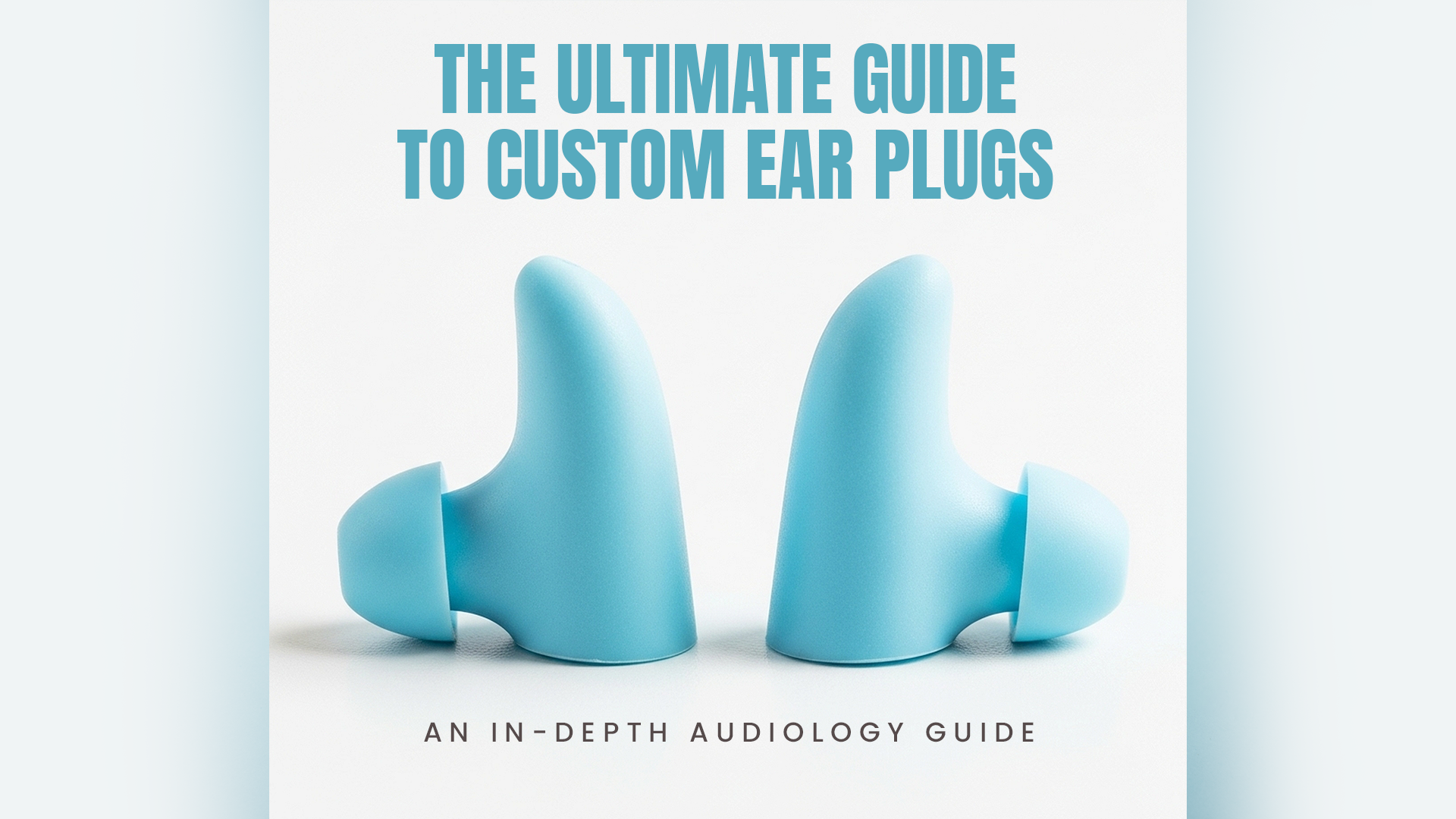
Custom ear plugs are made to fit the unique shape of your ears, making them a practical option when standard disposable or foam earplugs are uncomfortable, difficult to keep in place, or unsuitable for a specific activity. Depending on their design, custom fit ear plugs can be made for sleeping, swimming, workplace noise, concerts, musicians and other situations where reliable ear protection matters.
The right type depends on what you need the plugs to do. A sleeping plug, for example, has different priorities from a high-attenuation hearing protector used in an industrial environment.
What are custom ear plugs?
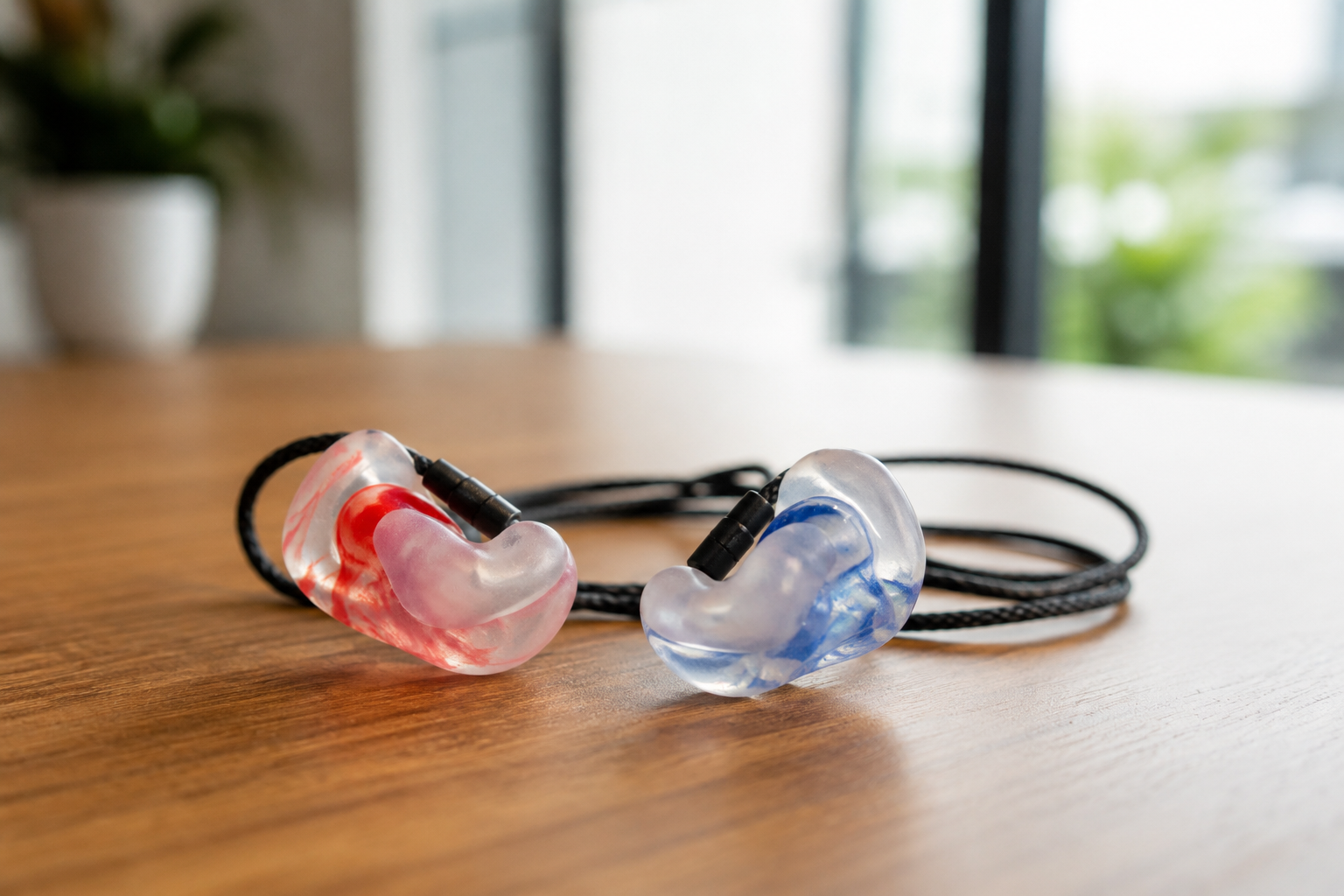
Custom ear plugs are individually moulded from an impression of the user’s ear. Rather than relying on a generic shape, the plug is designed around the contours of the ear canal and surrounding ear.
This can provide a more individualised fit, but a custom mould does not automatically mean maximum noise reduction. The material, design, acoustic filters, fit and intended application all affect performance.
For workplace hearing protection, Australian guidance recommends considering the amount of attenuation required, the working environment, comfort, compatibility with other personal protective equipment and the fit of the protector. It also warns against unnecessary overprotection because excessive attenuation can make communication and warning sounds harder to hear.
Why choose custom made ear plugs?
The main advantage of custom made ear plugs is that they are designed around an individual’s ears rather than manufactured as a one-size-fits-most product.
They can be useful when you:
- Find standard earplugs uncomfortable or difficult to keep securely in place.
- Need ear protection for a specific activity or environment.
- Want a reusable alternative to disposable plugs.
- Need a specialised acoustic filter for particular listening requirements.
- Require water protection while swimming.
- Need hearing protection for regular exposure to loud environments.
However, customisation should solve a specific problem. If an inexpensive standard protector already fits correctly and provides appropriate protection, a custom plug may not be necessary.
Custom Ear Plug Options for Different Needs
Custom ear plugs are available in different designs to suit different listening and protection requirements. The right option depends on whether you need hearing protection for music, stronger noise reduction or a custom earpiece for communication.
GN ReSound Musicians HearSavers
For musicians, performers and people regularly exposed to amplified music, hearing protection needs to reduce excessive sound without unnecessarily affecting the listening experience. GN ReSound Musicians HearSavers are designed for this purpose, using acoustic filters that provide different levels of sound reduction.
They can be suitable for musicians, DJs, sound crews, bands, orchestras and concertgoers who want a personalised fit while maintaining a more natural perception of music.
GN ReSound Solid HearSavers
Some environments require a different approach, particularly where exposure to loud external noise is the primary concern. GN ReSound Solid HearSavers are designed for situations where stronger sound reduction is required and can be considered for occupational and recreational environments involving high noise levels.
The appropriate level of protection depends on the intensity and duration of the noise exposure, as well as whether you need to communicate or remain aware of surrounding sounds.
If you need custom hearing protection for regular exposure to loud noise, explore GN ReSound Solid HearSavers to learn more about this option.
ReSound Communication Earpieces
Not every custom ear product is intended primarily for noise reduction. ReSound Communication Earpieces are designed for situations where a secure, personalised earpiece is required for communication.
They may be relevant for people who use communication equipment as part of their work or activities and need an earpiece that is designed around the individual’s ear. The suitability of a communication earpiece will depend on the equipment being used and the user’s specific requirements.
Custom ear plugs for sleeping
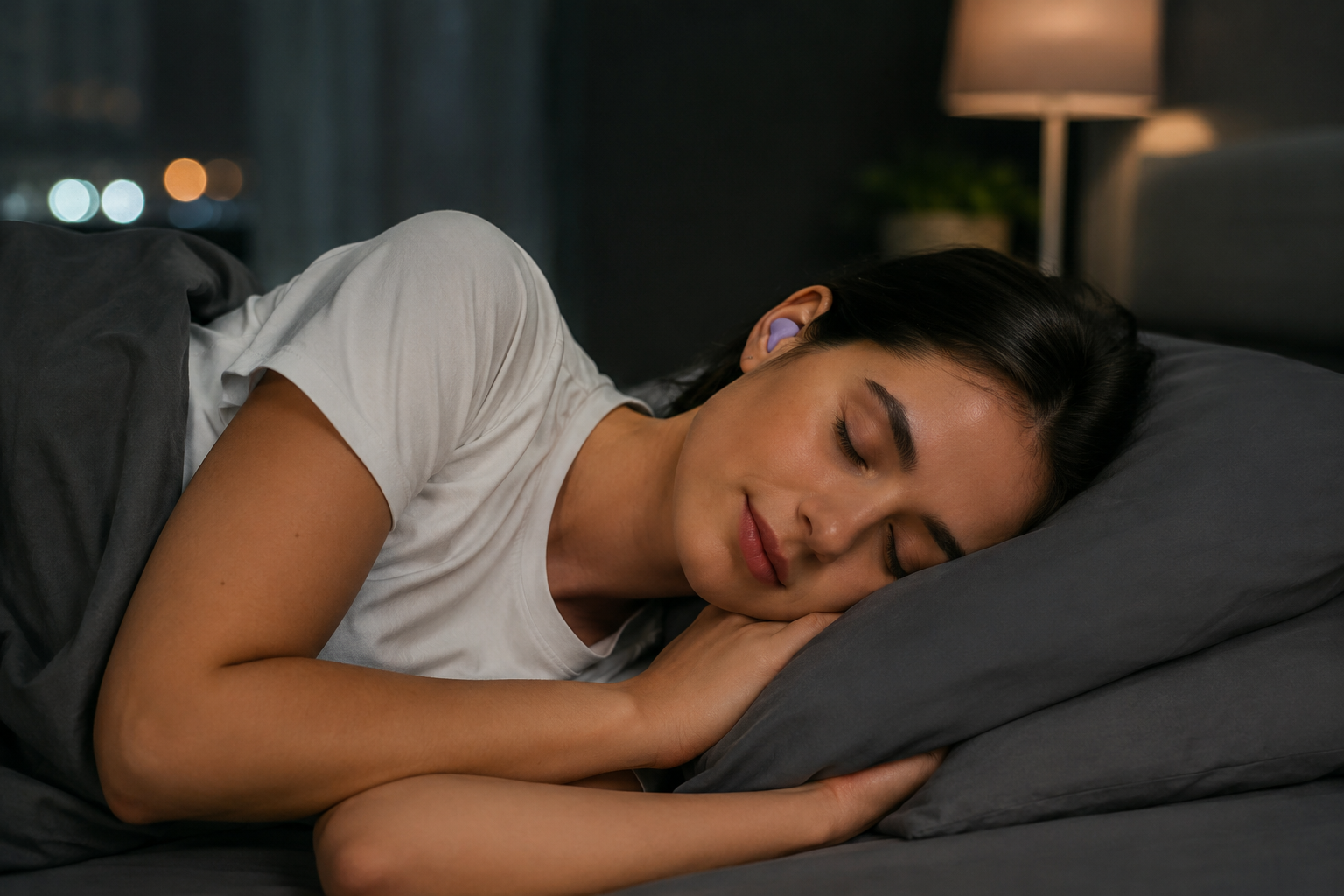
Noise from traffic, neighbours, snoring, household activity or other environmental sources can make it harder to maintain a quiet sleeping environment. Custom made ear plugs for sleeping are designed primarily around comfort, fit and the ability to remain in place during sleep.
Research into earplugs and sleep has found potential benefits, but much of the stronger evidence comes from hospital and intensive-care settings rather than people sleeping at home. A systematic review found that earplugs and eye masks can improve sleep-related outcomes in critically ill patients, while another review found that earplugs alone did not consistently produce a significant improvement in sleep quality.
That distinction matters. Custom earplugs may reduce disruptive environmental noise, but they should not be presented as a treatment for insomnia or other sleep disorders.
For sleeping, consider:
- Low-profile designs that do not create pressure when lying on your side.
- A comfortable material suitable for extended wear.
- A secure fit that does not require repeated adjustment.
- Easy cleaning and storage.
- Whether you still need to hear alarms, children or other important sounds.
If sleep problems persist despite reducing environmental noise, earplugs should not be treated as the underlying solution.
Custom ear plugs for swimming
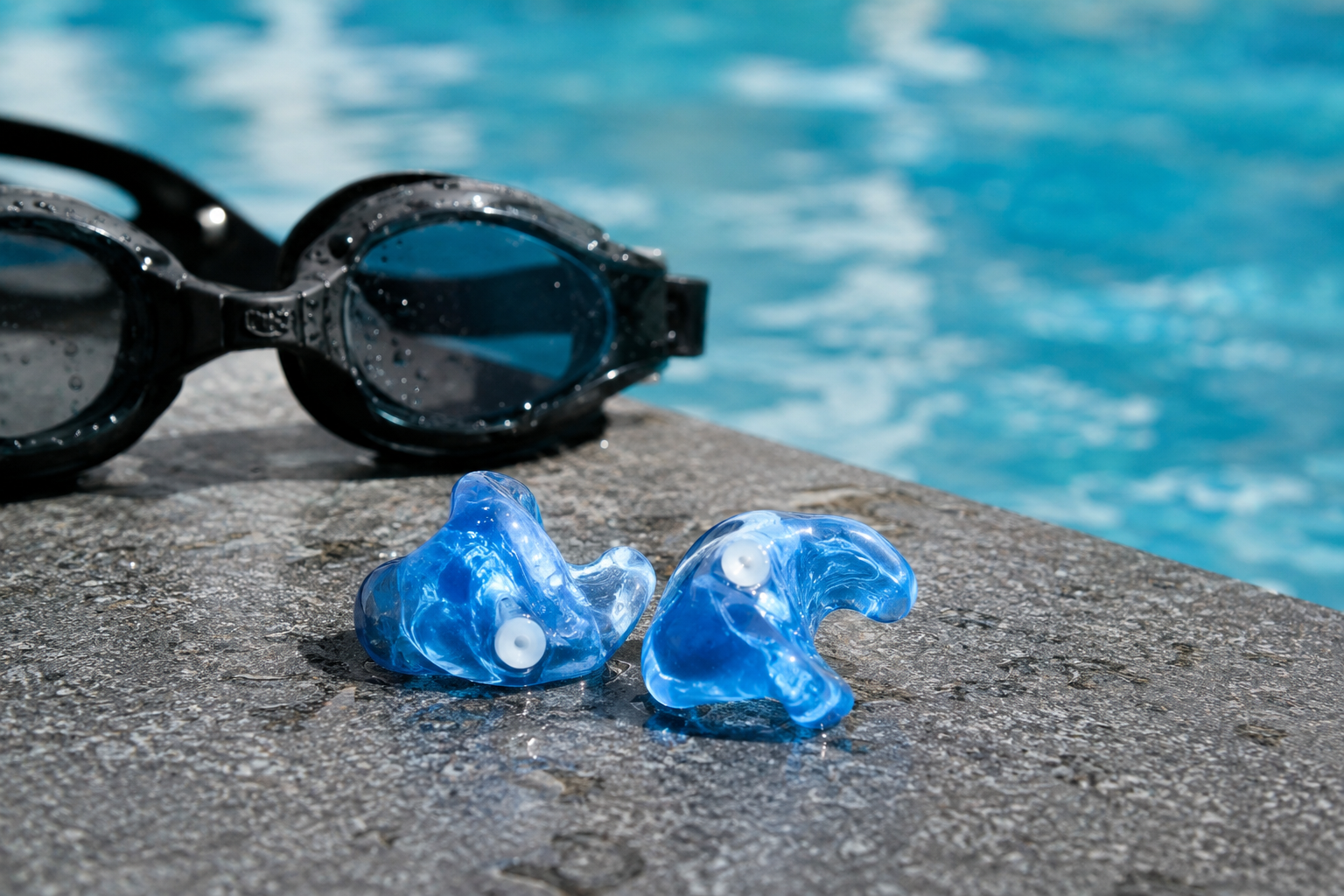
Water entering the ear canal can contribute to outer-ear problems such as swimmer’s ear. Healthdirect recommends using earplugs while swimming as one way to help prevent swimmer’s ear, particularly for people who are prone to ear infections.
Custom made ear plugs for swimming are designed to create a personalised barrier against water entering the ear. They are particularly worth considering if standard swimming plugs repeatedly fall out or do not provide a comfortable seal.
Swimming plugs should be selected according to the individual’s ear health and intended use. People with ear drainage, significant ear pain, recent ear surgery or other ear problems should obtain appropriate medical advice rather than simply covering the symptoms with an earplug. Healthdirect advises keeping an affected ear dry and avoiding swimming until it has been assessed when fluid is draining from the ear.
Custom ear plugs for noise protection
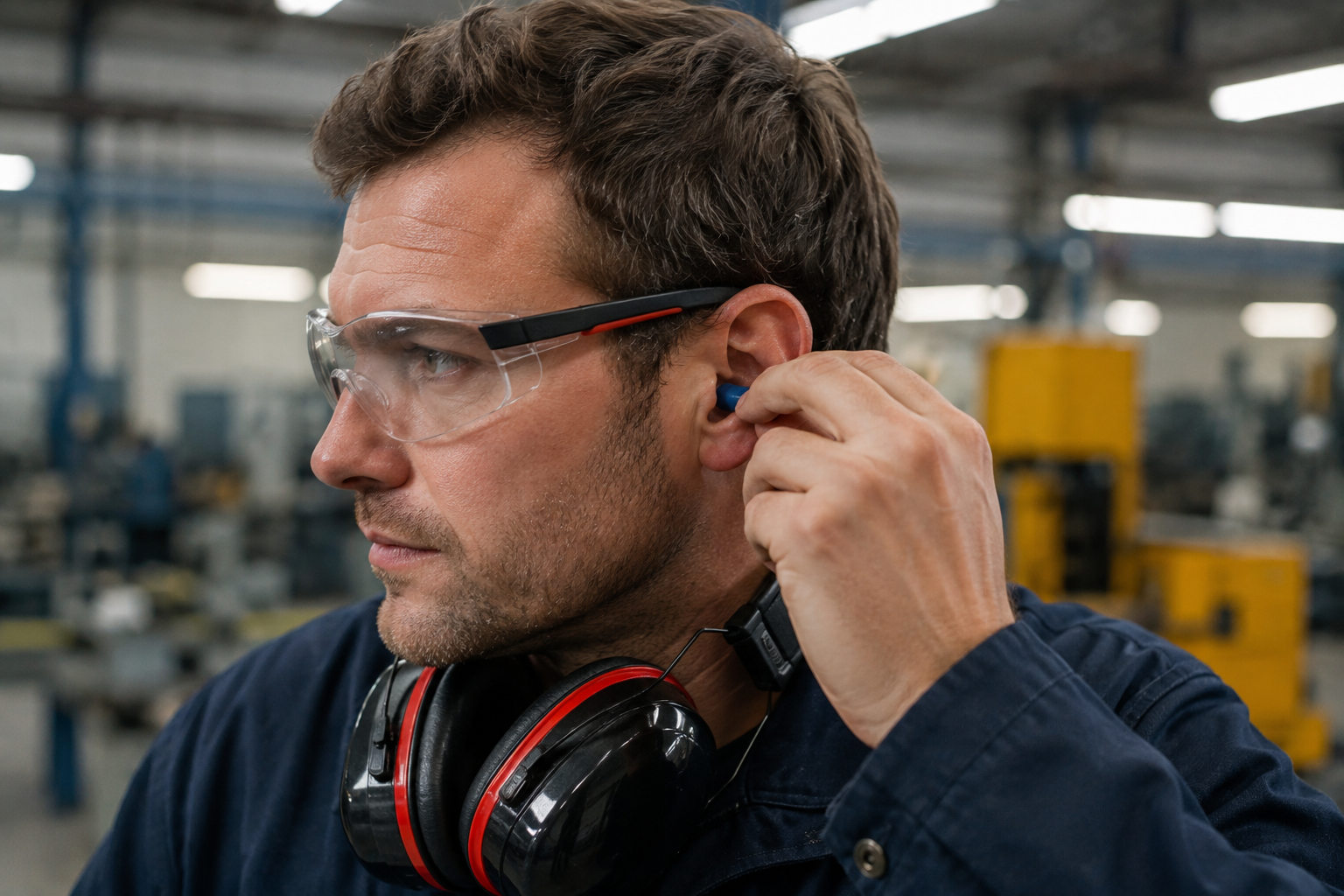
Noise protection is a different application from water protection or sleeping. Custom made ear plugs for noise reduction can be designed for situations such as workplaces, construction environments, concerts, live music and other loud settings.
The objective is not simply to block as much sound as possible. The protector should provide appropriate attenuation for the exposure while still allowing necessary communication and awareness of relevant sounds.
For Australian workplaces, Safe Work Australia refers to AS/NZS 1270 when discussing hearing-protector performance and selection. Suppliers should provide information about attenuation, including SLC80 ratings, class and octave-band attenuation values.
This makes professional selection particularly relevant for industrial applications. A plug suitable for occasional recreational noise should not automatically be assumed to provide the protection required for a specific occupational exposure.
Custom ear plugs for musicians
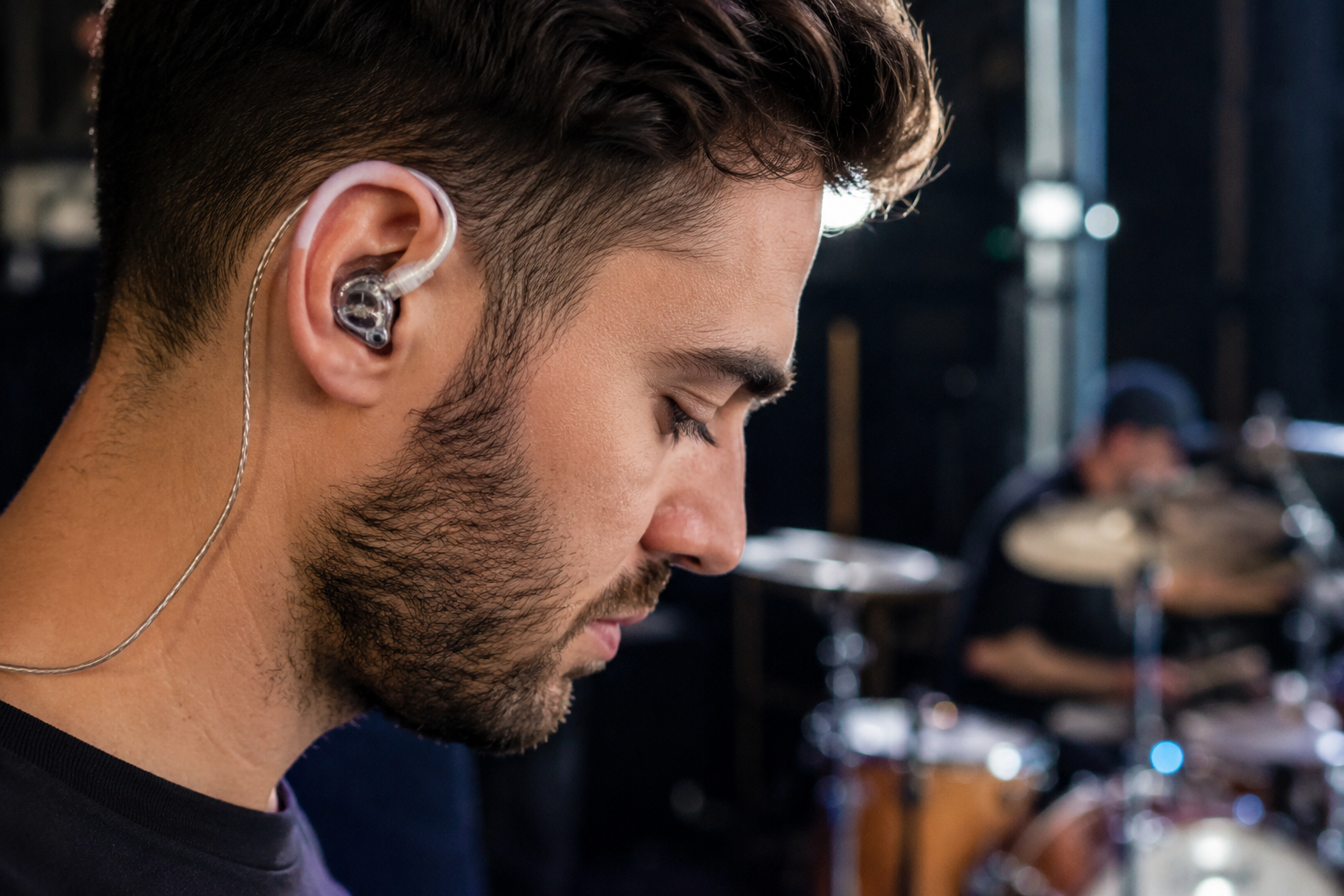
Musicians have a particularly challenging requirement: they need to reduce potentially harmful sound exposure without unnecessarily compromising their ability to hear music.
The National Acoustic Laboratories’ Know Your Noise program recommends hearing protection for loud music environments and highlights the availability of earplugs designed to protect hearing while preserving sound quality.
For musicians, custom ear plugs for concerts and live music may therefore be designed with acoustic filters rather than simply maximising sound attenuation.
How are custom ear plugs made?
The exact process varies between providers and product types, but custom moulded ear plugs generally involve an ear assessment followed by an impression of the ear.
A typical process may include:
- Assessment: The professional considers your ears, intended use and any relevant hearing or ear-health concerns.
- Ear impression: A mould or impression is taken to capture the required ear shape.
- Manufacturing: The impression is used to produce the individual earplug.
- Fitting: The finished plug is checked for comfort, fit and suitability for its intended application.
- Care instructions: You receive guidance on cleaning, storage and replacement.
The fitting stage matters because a custom plug still needs to be appropriate for the user’s ears and application. For workplace protection, individual fit is specifically identified as an important consideration in Australian guidance.
How to choose the right custom ear plugs
Start with the problem rather than the product.
Your priority | What to look for |
Sleeping | Comfortable, low-profile design suitable for extended wear |
Swimming | Water-sealing design and secure fit |
Workplace noise | Appropriate attenuation and compliance with relevant requirements |
Concerts | Suitable acoustic filtering and balanced sound reduction |
Musicians | Hearing protection designed around listening requirements |
General noise | Protection matched to the actual noise exposure |
Also consider whether you need to hear speech, alarms or environmental sounds. More attenuation is not automatically better, particularly where communication and situational awareness are important.
Caring for custom ear plugs
Reusable plugs need regular cleaning and appropriate storage. Follow the manufacturer’s cleaning instructions rather than using chemicals or methods that could damage the material.
Inspect the plugs periodically for changes in shape, cracks, deterioration or other damage. If the fit changes or the plugs become uncomfortable, have them assessed rather than continuing to use a poorly fitting protector.
Are custom ear plugs worth it?
Custom ear plugs are worth considering when fit, comfort, water protection or application-specific noise control are recurring problems with standard earplugs. They are not automatically the best choice for every person or every situation.
The most appropriate design depends on whether your priority is sleeping, swimming, workplace hearing protection, music or general noise reduction. For occupational environments, the required level of protection should be determined from the actual noise exposure rather than simply choosing the strongest-looking product.
If you are unsure which option is appropriate, a qualified hearing professional can assess your needs, check your ears and recommend a suitable custom solution. For a better understanding of how hearing professionals assess hearing function, explore this guide to bone conduction testing.
For personalised advice about custom ear plugs, speak with Hearing Aids Professionals about the type of protection that best matches your lifestyle, hearing needs and intended use.
Frequently Asked Questions
Ans: Not necessarily. Custom earplugs can offer a more individualised fit, but the best option depends on the application, required protection, comfort and correct use.
Ans: Yes, custom earplugs can be designed for sleeping. Comfort and a low-profile fit are particularly important if you sleep on your side. Evidence for sleep benefits is promising in some settings but should not be interpreted as proof that earplugs treat sleep disorders.
Ans: Some custom earplugs are specifically designed for swimming and water protection. If you have ear pain, discharge, recent ear surgery or another ear condition, seek professional advice before swimming.
Ans: No. The amount and character of sound reduction depends on the plug’s material, design, fit and acoustic filtering. For workplace use, protection should be matched to the noise exposure and relevant requirements.
Ans: Their lifespan depends on the material, construction, frequency of use, cleaning and storage. Inspect reusable plugs regularly and replace them when they become damaged, deteriorated or no longer provide an appropriate fit.