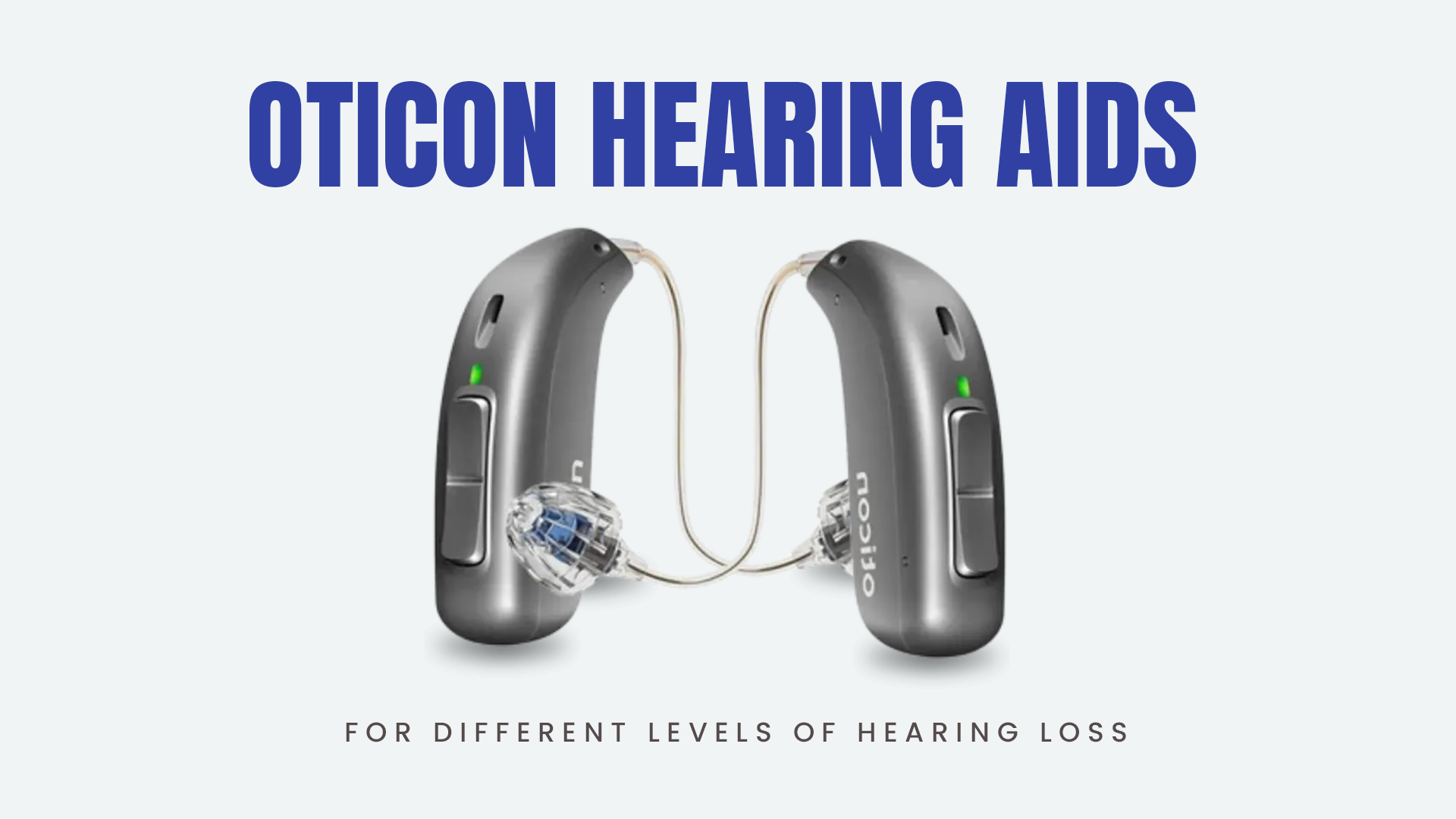
The right hearing aid is not determined by hearing loss alone. It also depends on which frequencies are affected, how well speech is understood, ear anatomy, dexterity, lifestyle and the situations where hearing is most difficult.
Oticon hearing aids are available in different styles, power levels and technology tiers. A hearing assessment and professional fitting are essential because a device that suits mild high-frequency loss may not provide enough output, feedback management or customisation for severe loss.
Start with the hearing assessment, not the device
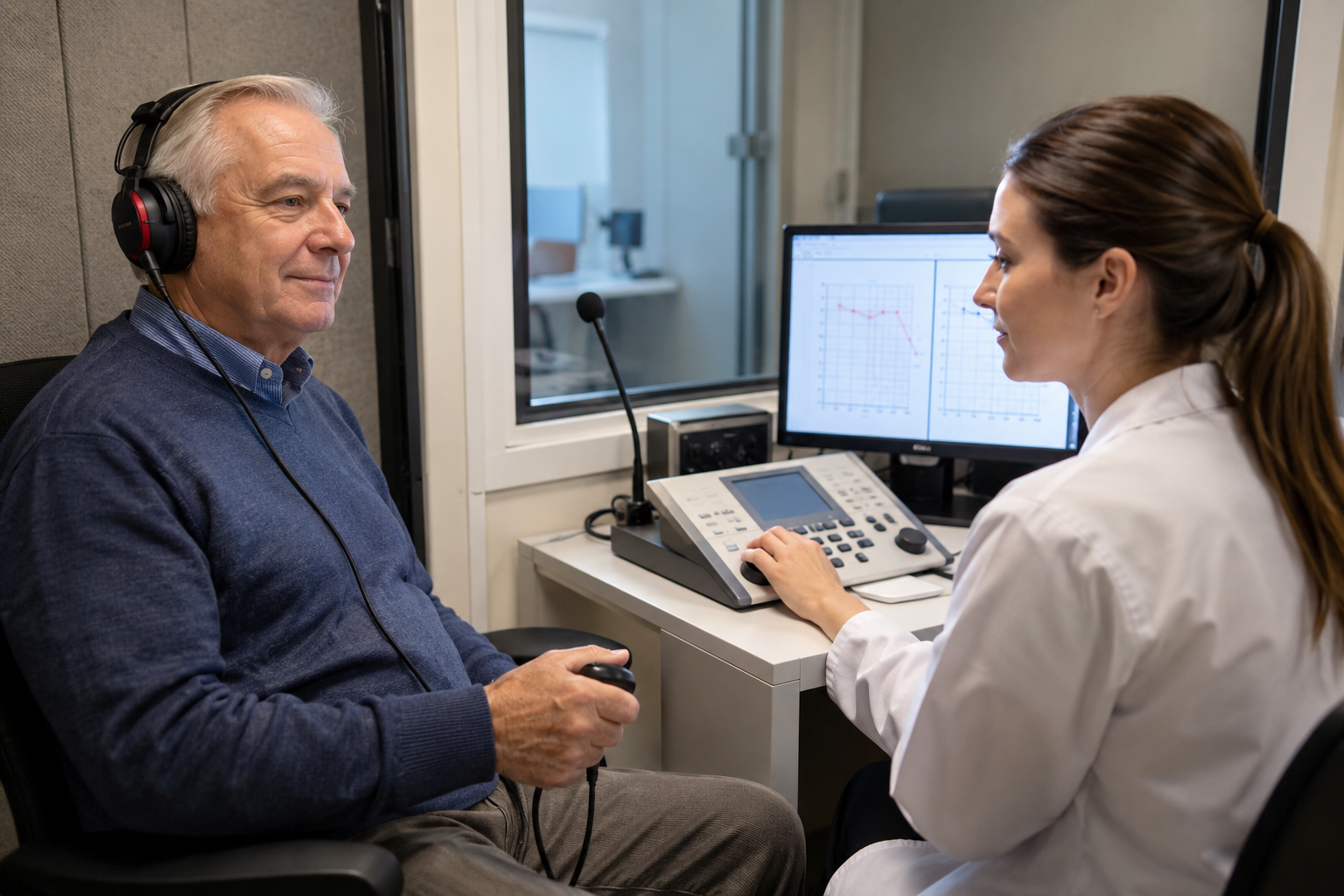
Hearing loss is commonly described as mild, moderate, severe or profound based on hearing-test thresholds. Those labels are useful, but they are not the whole story. Two people with the same average hearing level may have very different needs: one may mainly struggle with television dialogue, while another finds cafés, family gatherings and phone calls exhausting.
A comprehensive assessment should consider:
- Hearing thresholds in each ear and at different frequencies.
- Speech understanding in quiet and, where appropriate, noisy environments.
- Whether hearing loss is stable, sudden, one-sided or associated with symptoms such as dizziness or ear pain.
- Daily listening goals, including conversations, work, television, music and phone use.
- The physical fit, controls and maintenance requirements of the hearing aid.
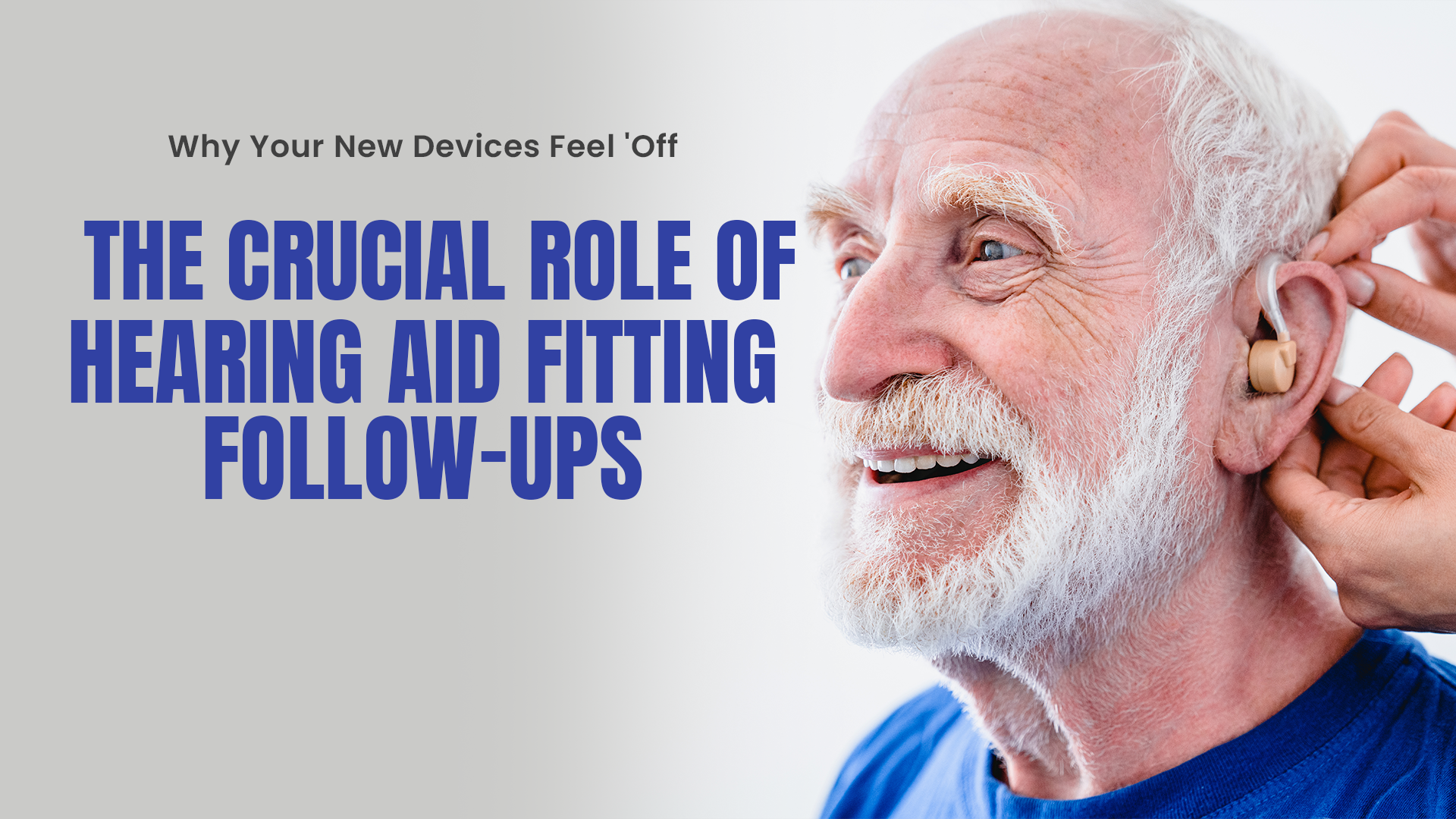
This is why Oticon audiology is not merely about choosing a model. The fitting and follow-up process is what translates test results and real-world goals into personalised settings.
Mild hearing loss: hearing detail without over-amplification
Mild hearing loss often affects softer speech sounds or high-frequency detail. People may hear that someone is talking but miss consonants, especially in background noise. They may also turn up the television or ask others to repeat themselves more often than they realise.
Oticon hearing aids for mild hearing loss can be appropriate when communication difficulties are affecting daily life. For mild loss, the key is usually clear, comfortable amplification that does not make ordinary sounds feel harsh or unnecessarily loud.
A discreet receiver-in-canal or small behind-the-ear style may suit many wearers, though appearance should never override audibility and comfort. The best choice is the one that can be programmed accurately for the audiogram and worn consistently.
Moderate hearing loss: prioritising speech clarity
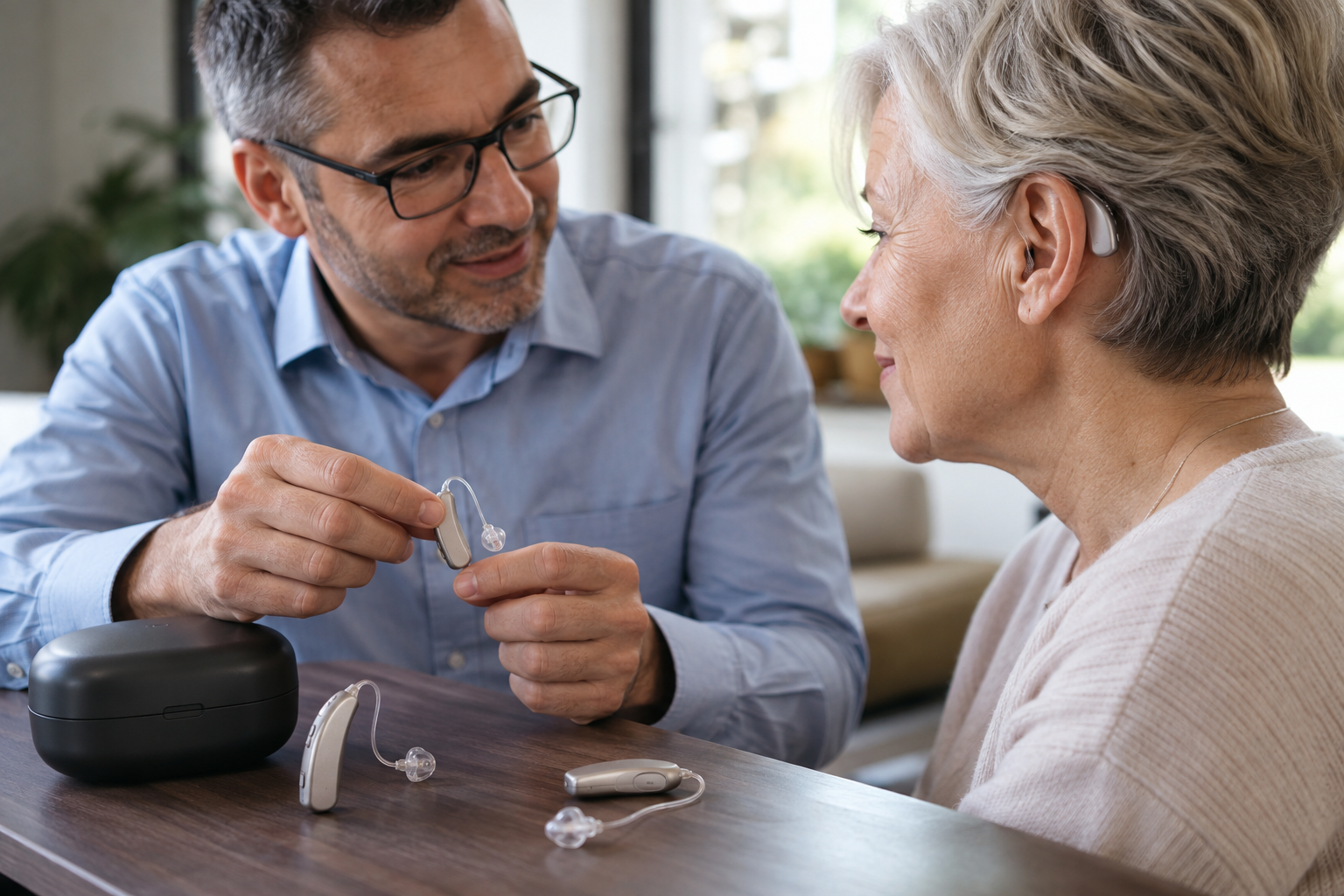
Moderate hearing loss can make ordinary conversation difficult, particularly when people speak softly, face away or compete with background sound. Hearing aids for this level of loss need enough usable amplification to make speech audible while managing feedback and maintaining comfort.
For people who regularly socialise, work in meetings or spend time in busy family settings, the best Oticon hearing aid for speech clarity is not necessarily the most expensive model. It is the model and technology level that adequately supports the wearer’s hearing profile and the complexity of their listening environments.
Modern Oticon digital hearing aids can be adjusted across different programmes and settings. A follow-up appointment matters here: if speech is audible but still unclear in restaurants, the clinician needs that specific feedback to refine the fitting.
Severe hearing loss: output, control and physical fit matter more
With severe hearing loss, more powerful amplification and careful feedback control are often required. Behind-the-ear styles can provide the power, battery capacity and physical durability needed for some people with higher amplification requirements.
Oticon hearing aids for severe hearing loss may include more powerful models designed for greater output. However, “more power” is not the same as “better hearing”. Excessive or poorly calibrated amplification can be uncomfortable and may not improve speech understanding. Speech discrimination, ear health and the cause of hearing loss all affect the likely benefit.
For severe or profound hearing loss, a hearing professional may also discuss whether hearing aids are providing sufficient benefit and whether medical or implant assessment is appropriate. That decision should be based on clinical assessment, not on a product category alone.
Where does an Oticon Intent hearing aid fit?

An oticon intent hearing aid is designed to adapt support as listening needs change. Oticon states that its Intent family uses sensor technology to respond to movement, the acoustic environment and conversational activity. It is one option that may be considered for people whose main challenge is following speech in changing, busy settings.
Oticon Intent hearing aids are available in rechargeable miniRITE and miniBTE styles. Suitability still depends on the individual fitting range and hearing needs, so the “best” device cannot be selected from a product page or an online quiz alone.
Connectivity, rechargeability and tinnitus support
Features should serve a practical need, not become a shopping checklist. Oticon Bluetooth hearing aids can stream audio from compatible devices, but compatibility varies by hearing-aid model and phone, tablet or computer.
For users asking how to pair oticon hearing aids to iphone, pairing generally starts in the iPhone’s Accessibility settings under Hearing Devices after restarting the hearing aids. The exact steps and compatible operating systems should be checked for the specific model.
For how to pair oticon hearing aids to ipad, the process is similar: enable Bluetooth, restart the hearing aids, then locate them in Settings > Accessibility > Hearing Devices. Android pairing requirements vary more by phone and hearing-aid model. For how to pair oticon hearing aids to android, follow the model-specific instructions in the Oticon Companion app and confirm that the phone supports the relevant streaming protocol.
Oticon rechargeable hearing aids can reduce the handling involved with disposable batteries, which may be useful for people with reduced vision or dexterity. Rechargeability does not automatically make a model suitable, though. Charging habits, travel needs and the preferred device style still matter.
Some compatible devices offer tinnitus relief sounds as part of a clinician-led tinnitus management plan. Oticon hearing aids with tinnitus support should not be treated as a cure for tinnitus. Persistent, sudden or one-sided tinnitus warrants professional assessment.
What affects Oticon hearing aids prices?
There is no single answer to how much do Oticon hearing aids cost in Australia. The cost of oticon hearing aids can vary according to the model, style, technology level, fitting requirements, included services and whether funding or subsidies apply.
When comparing oticon hearing aids price information, ask what the quote includes:
- Hearing assessment and device recommendation.
- Fitting, verification and adjustment appointments.
- Follow-up care and troubleshooting.
- Charger, accessories or remote microphone options where relevant.
- Repair arrangements, warranty terms and any ongoing service costs.
- Eligibility for Australian Government hearing services or other funding.
A lower upfront figure can be misleading if it excludes essential fitting and follow-up care. Hearing aids are prescribed devices, not generic consumer electronics.
Conclusion
The best Oticon hearing aids are the ones that match the wearer’s hearing loss, communication goals and ability to manage the device. Someone who mainly needs help with one-to-one conversation may need a different solution from someone who spends every day in meetings, noisy venues or group conversations.
Hearing Aids Professionals’ Oticon hearing-aid outlines available features and styles. For a clearer picture of what an assessment involves, read our guide to hearing tests in Australia. A professional assessment can then determine whether Oticon hearing devices are appropriate and which fitting approach is likely to provide useful, comfortable benefit.
FAQs
They can be. The most suitable option depends on hearing loss, manual dexterity, vision, cognitive comfort with technology, physical fit and daily communication needs. Rechargeable options and straightforward controls may be useful for some people, but should be considered during a fitting.
They may. Mild hearing loss can still create meaningful difficulty with speech clarity, television and background noise. A hearing assessment determines whether amplification is likely to help and how it should be programmed.
Oticon offers higher-power hearing-aid options for people who need greater amplification. Severe hearing loss requires careful assessment because amplification needs, speech understanding and medical considerations can vary substantially.
Many current models support connectivity with compatible smartphones and other devices. The available functions depend on the specific hearing aid and the device’s operating system and Bluetooth support.
No. Prices vary with device style, power level, technology tier, included professional services and funding eligibility. Ask for a written quote that explains what is included.